
World Lupus Day: "Between 2.000 and 3.000 Aragonese suffer from this autoimmune disease"
10 May 2022
World Fibromyalgia Day: “I don't remember what it's like to live without pain”
12 May 2022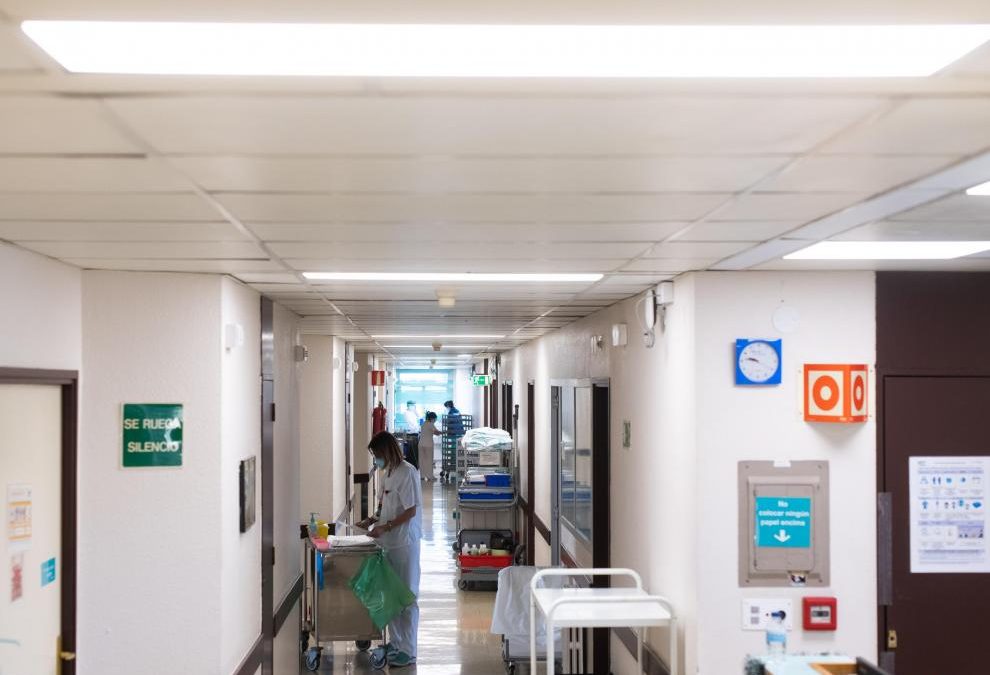
The Stroke Unit has established a plan to increase comfort during hospitalization in three lines of action: taking care of the relationship with the patient, improving their experience in treatment and the information received; improve sleep quality and reduce noise level.
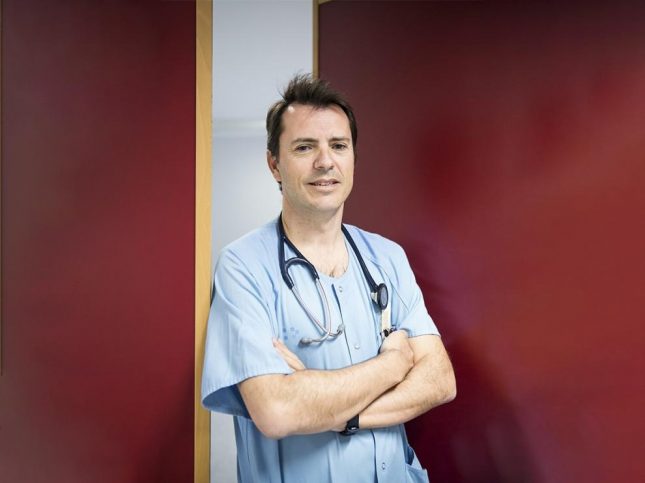
The Stroke Unit of the Miguel Servet Hospital de Zaragoza with its manager, Javier Marta, at the helm, has launched a study to find out the factors that influence the recovery of patients who have suffered a cerebral infarction without obvious motor or sensory sequelae but who present a "slowening of thinking, lack of motivation or inability to plan more complex things in the long term.
There are patients with this deterioration who improve, others continue with the damage suffered without aggravating their condition and others progress to dementia and It is the factors that make some cases go in one direction that the project aims to investigate. 'STROKE-COG: Cognitive impairment after stroke and its determinants' and which was presented this Wednesday, reported the Government of Aragon in a press release.
According to Marta, they have already begun to "recruit" patients under 75 years of age who, after suffering a first stroke without motor sequelae, are subjected to an in-depth cognitive study and to whom Tests are repeated up to two years of age, the results of which are compared with other data of clinical interest. (age, hypertension, other types of concomitant diseases...).
Small measures, such as using individual lights (if you have to care for a patient so that the rest are not disturbed) or scheduling medication so that nighttime sleep is not disturbed, can be some positive actions as María Jesús Chopo, Neurology supervisor, explains. , who also influences the reduction of the noise level in the plant, something on which the staff themselves must work together (lower the tone of voice); the institution (avoid the noise of machines, for example) and the visitors.
It is a disease with great health and social impact from which people die every year. Spain 27.000 people and two out of every three who survive present some type of sequelae, in many cases with disabilities.
In addition, it is the second cause of dementia after Alzheimer's disease and It represents an economic impact of 27.700 euros per patient per year.
However, experts insist that more than 80% of strokes are preventable if risk factors that can be modified, such as blood pressure, are controlled., tobacco consumption or alcohol, diet or physical activity.
“The brain must be taken care of throughout life, but It is especially important to pay attention to these factors from the age of 40-50.", summarizes Javier Marta.
Source: Heraldo de Aragón





