

The “15 Step Formula” to Improve Metabolic Health
September 13, 2021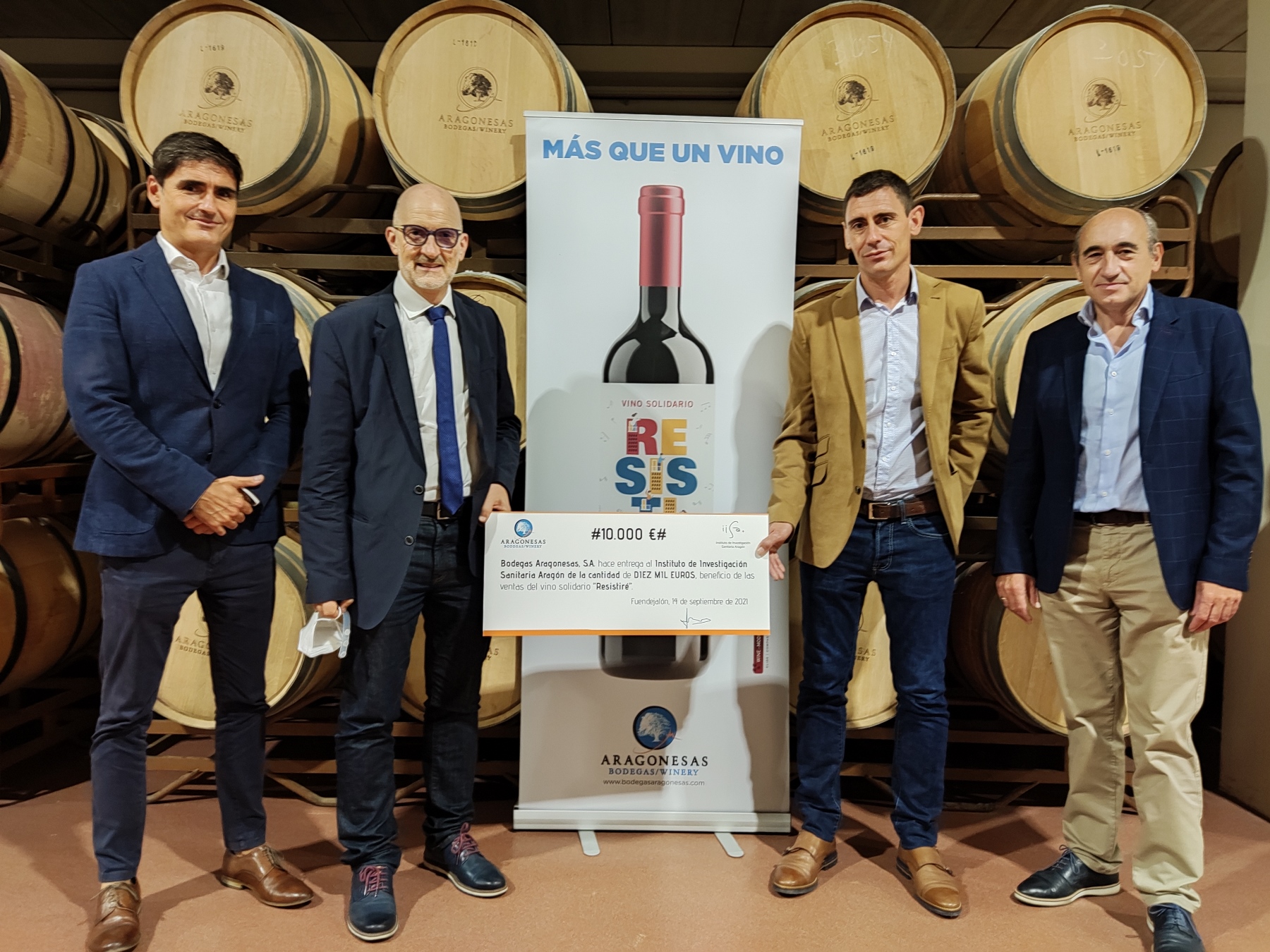
The IIS Aragón receives a donation of 10.000 euros from Bodegas Aragonesas
September 14, 2021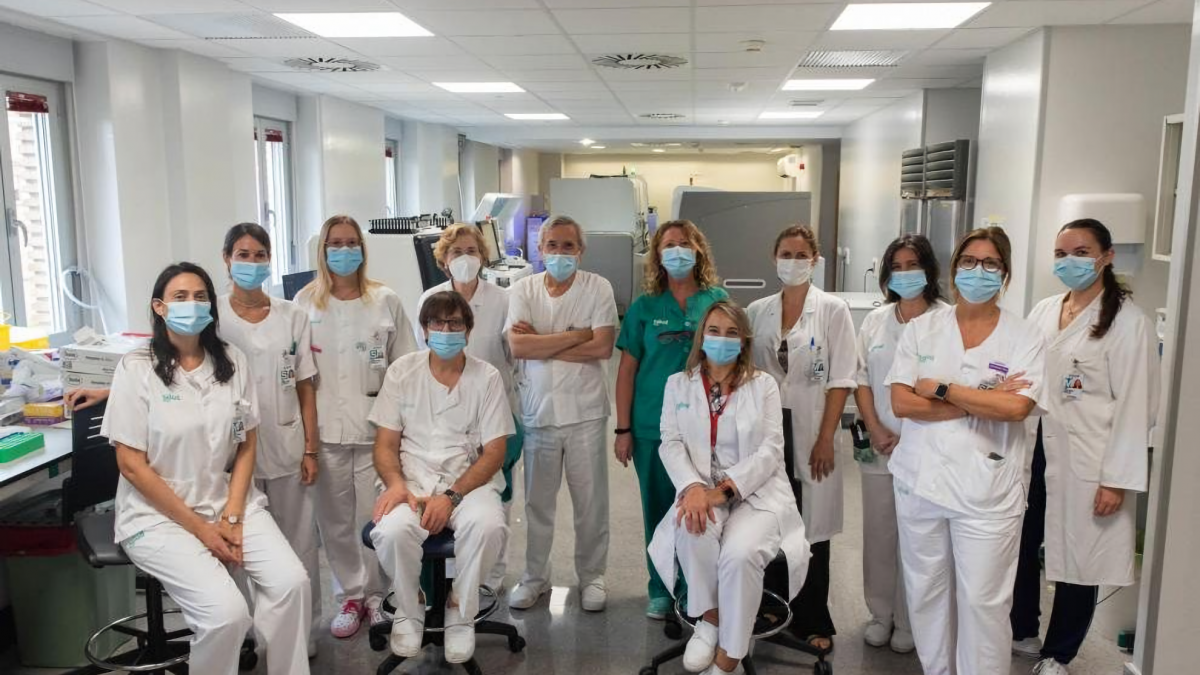
It is part of an international study in which risk factors in the transmission of the infection are also analyzed.
El Miguel Servet University Hospital from Zaragoza studies the effectiveness of the covid vaccine among health personnel –one of the first groups that received it and that is in greater contact with the virus– as part of a multicenter study promoted by the European Center for Disease Prevention and Control (ECDC). More than ten countries participate in this project, in which Aragonese specialists will also measure the risk of transmission of the infection.
To achieve this, a first recruitment was made before the summer, with 115 workers. "From all categories –administrative, guards, assistants, nurses, doctors...– and also from all areas of the hospital", details Ana Milagro, one of the main researchers – along with Miriam Latorre – and also responsible for the hospital's molecular biology area. Following the same parameters, in September the sample was expanded with another 70 professionals, reaching a participation of 185.
"The ECDC contacted us because we have already worked on other projects of this type, such as the study of the effectiveness of the flu vaccine," recalls Miriam Latorre, also a researcher at IIS Aragón. Participants must undergo a weekly PCR, which will be repeated if they have symptoms compatible with covid - cough, fever, respiratory distress, loss of smell or taste... -, if they have been exposed to a confirmed case or when they must begin quarantine after becoming a close contact . "It has been a surprise how well the study has been accepted," Milagro emphasizes.
"When they have been on vacation, they have even taken samples for PCR tests to continue with the study," Milagro specifies. However, ordinarily, The samples are collected by the collaborating staff of Occupational Health – directed by Ignacio Ezpeleta– unit that is part of the team of researchers of this project, together with part of the Microbiology group, led by Antonio Rezusta, where the analyzes are carried out.
First results, in October
The idea, Latorre announces, is that in October we can have the preliminary results, although complete data collection will not end until January. "The statistical processing of the data is centralized in Europe, so the analysis is usually quick," she confirms. In this sense, she details, the objective is to know what immunity is acquired and how it varies over the months, in addition to assessing the risks of exposure. Therefore, this analysis could help determine if it is necessary to give booster doses of the vaccine, when to do it and to which groups.
For now, In Aragon this week they begin giving an additional dose to immunosuppressed patientss – people with a solid organ transplant, hematopoietic stem cell transplant recipients and people being treated with anti-covid drugs. In total, about 4.000. In addition, the Ministry of Health maintains its commitment to giving a booster injection to the elderly who live in residences.





