
Transplants: the way back to pre-pandemic numbers in Aragon
21 March, 2022
Aragón adds 8.670 cases of cancer with a rate higher than the national rate
21 March, 2022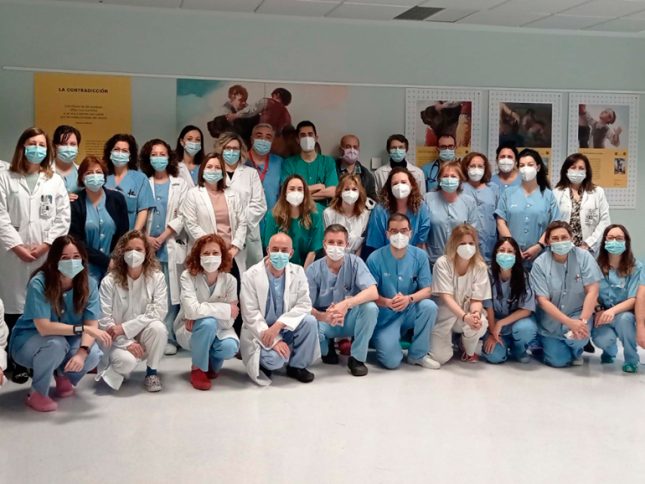
The Miguel Servet University Hospital has already implanted more than 400 aortic valve prostheses without open surgery. This is a procedure that allows the diseased valve to be replaced with a biological one without having to "open" the patient's chest. This treatment is a good alternative, with demonstrated results, for selected patients who suffer from valvular stenosis (narrowing).
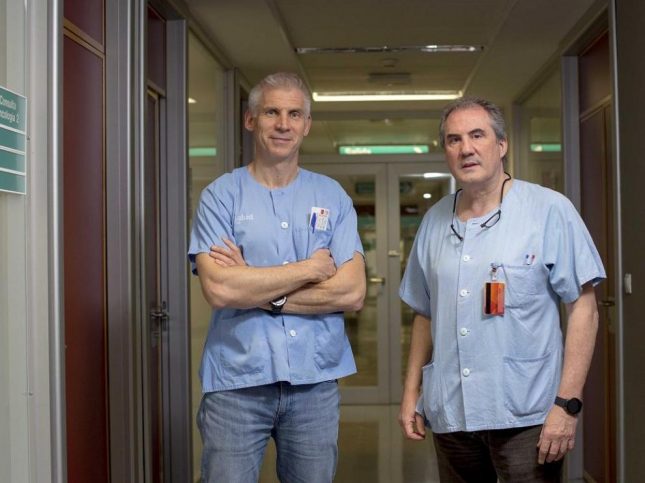
Transcatheter aortic valve implantation, which is what this technique is called, is known in the healthcare field as TAVI, for its acronym in English (Transcater Aortic Valve Implantation). It is a high-cost treatment but it provides years and quality of life to people who suffer from this disease. “Currently, the only effective treatment against severe aortic valve stenosis is a mechanical solution, either through surgery or percutaneous treatment,” indicates José Antonio Diarte, section head of the Hemodynamics Unit at the Miguel Servet University Hospital.
This hospital, the only public hospital in Aragon that currently performs this implant, was a pioneer in our Community by launching the technique in 2012 with seven cases. In 2021, it was already applied to 89 patients. “The growth is exponential due to the aging of the population,” warns the interventional cardiologist. “When it started it was a technique for inoperable patients who had no other option,” he recalls. It is now a technique of choice in certain patients. Deciding which is the best option for these patients, many of them elderly and suffering from other diseases, is difficult and complex. For this reason, a work group has been formed made up of Medicine and Nursing personnel and different specialties to, together, adopt the best care for each person individually.
Expert Group
The head of the Cardiology service at HUMS, Charo Ortas, explains that “the decision whether or not to intervene on a patient (surgically or percutaneously through TAVI) requires a very careful evaluation and a very precise balance between benefits and risks. in an individualized way.” To carry out this assessment, Servet has the aforementioned recently created working group that includes all the specialties involved in the care of these patients and is open to all of Aragon so that all patients, regardless of the health area, can benefit from this program.
The latest European clinical practice guidelines on the management of valvular heart disease focus on leading centers of excellence in the treatment of valvular heart disease. These are large hospitals that have the Heart Valve Team, a multidisciplinary, active and collaborative group, with extensive experience in valve disease that includes cardiac surgeons, radiologists, cardiovascular anesthetists, geriatricians, intensivists, as well as clinical and interventional cardiologists along with staff Nursing expert in the care of these patients.
Servet is currently a community reference center for both surgical treatment, carried out by the Cardiac Surgery service, and percutaneous treatment for severe aortic stenotic valve disease and meets the basic requirements to be considered a Heart Valve Centre.
The team began this line of work in December 2020 with the involvement of the aforementioned services. This is an Expert Group in Severe Aortic Valve Disease always made up of the same specialists and which any cardiologist from another hospital in the Community can contact electronically. This Friday, March 18, this group holds its first weekly meeting.
With the great experience accumulated in both surgical and percutaneous treatment (TAVI), the development of the group will promote better care and treatment of these patients, in addition to improving the accessibility of all users who require it in Aragon, reducing variability in decision making and, ultimately, improve the life expectancy and quality of life of our patients.
Source: Aragón Digital





