

Experts do not set a date for herd immunity
25 February, 2021
International research reveals that the "jumping genes" that cause cancer date back 3 million years
26 February, 2021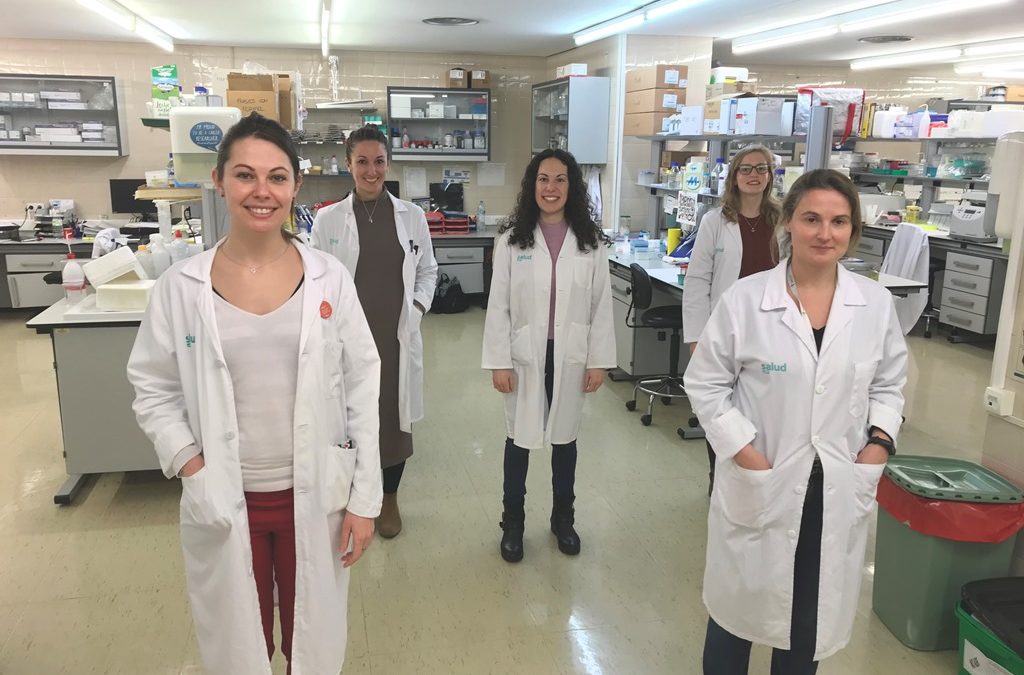
His article published in the magazine cancers includes the use of a drug to stop the life cycle of mitochondria
The team led by Patricia Sancho works to find new effective therapies that increase the life expectancy of patients with pancreatic cancer.
The group 'Metabolism and cancer stem cells' from the Aragón Health Research Institute (IIS Aragón) has just published an article in the journal Cancers on the role of mitochondrial dynamics in pancreatic tumor stem cells that has received excellent reviews. Specifically, the document 'Inhibition of mitochondrial dynamics preferentially targets pancreatic cancer cells with enhanced tumorigenic and invasive potential' proposes blocking the life cycle of mitochondria, the cellular lungs, so that the cells cannot produce energy and die.
The objective of the research is to attack tumor stem cells, the most aggressive cells of pancreatic cancer tumors, with the aim of eliminating them, since they are responsible for causing metastases in other organs or that patients do not respond to. chemotherapy treatments. To grow and breathe, these cells use mitochondria, that is, small cellular lungs that are very active and quickly damaged, so they are constantly recycled so that they are always in good working order. Thus, the IIS Aragón group is working to stop this process using a drug that prevents the recycling of mitochondria, causing tumor cells to die as they are unable to produce energy, although, at the moment, this drug is experimental and has not yet been can be used in humans.
The article is the result of collaboration with other researchers in this field of health from Madrid, Lugo, London and Shanghai, although its first author is Sarah Courtois, a member of the IIS Aragón group led by Patricia Sancho. The project began five years ago and since then the team has been working along these lines with a Worldwide international aid from the Spanish Association Against Cancer (AECC).
The 'Metabolism and cancer stem cells' group is immersed in the research of new effective therapies that increase the life expectancy of patients with pancreatic cancer, since 90% of them die the year after being diagnosed, and focuses on the role that fat plays in the aggressiveness of tumors.
About IIS Aragón
The IIS Aragón is the Health Research Institute formed by the “Lozano Blesa” and “Miguel Servet” Teaching and University Hospitals, Primary Health Care, the University of Zaragoza and the Aragonese Institute of Health Sciences.
The objectives of the IIS Aragón are to bring together basic and applied, clinical and health services research; create a quality research, care and teaching environment to which health professionals, training specialists and postgraduate and undergraduate students are exposed, as well as constitute the ideal place for attracting talent and the location of large scientific facilities. technological.





