
Marian Franco: «There is a very direct relationship between emotions and pain»
24 May 2021
The UZ, among the 100 best in the world in Food Science, Veterinary Medicine and Automation and Control
27 May 2021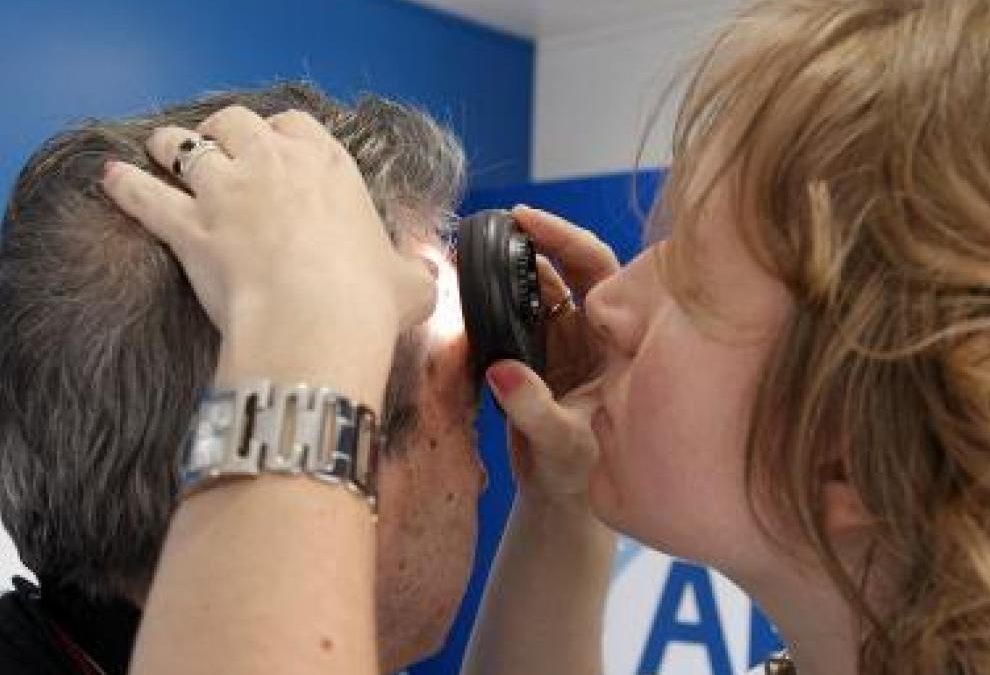
Every year, between 130-140 cases of melanoma are detected in the Community, most in early stages.
The Sun must be considered a "danger." This is stated by Julio Lambea, medical oncologist at the Lozano Blesa University Clinical Hospital and president of the technical committee of the Spanish Association Against Cancer (AECC) in Zaragoza, who points out that each year in Aragon about 130-140 cases of melanoma (the type more serious skin cancer).
Most are detected locally in early stages, affecting women more than men. In these cases they are removed and the survival rate is very high: 90% at five years. However, when melanomas are metastatic, a large part are usually incurable. "These are the ones that scare us. In the Community, between 30-40 people die a year from this type of cancer. The key is to diagnose it early, which is when it is cured," explains this Aragonese oncologist on the occasion of the Day. World Cup against Melanoma, which is being held this week.
Precisely, the health crisis caused by the coronavirus has led to later diagnoses. As Lambea explains, the patient has remained at home for fear of going to the doctor in the face of the pandemic, to which we must add "the saturation" that the health system has suffered. "Covid has delayed the diagnosis of melanoma. We must not forget that many times this begins in the patient himself, who sees a small spot. Probably with this whole pandemic, the isolations and the difficulties of accessing primary care or the specialists - due to the saturation there is - the patient has let this injury evolve until it has started to worry him," he indicates.
However, the president of the AECC technical committee in Zaragoza makes it clear that this situation caused after the outbreak of the virus has not affected the time of treatments. "They have received them at the time, appropriately. And also the patients who had to have melanoma removed," he emphasizes.
Once the alarm statusWe Spaniards have looked for the seashore and crowded gardens and terraces where we can enjoy the good weather and get a little tan. Ultraviolet rays are good for bones and vitamin D, but you always have to have "a protection mentality": the best prevention of skin cancer is a responsible exposure.
Phototypes and other risk factors
The Clinic's medical oncologist warns that you should always use creams with high filters, avoid prolonged exposure and protect yourself with hats and appropriate clothing. AND in case of skin injury that one is not very clear: how At least go to the family doctor and, if there are doubts, to the dermatologist. "Above all, you have to be very careful with people who have the light skin and eyes and blonde hair; This is what we call phototypes. These patients have a special risk of developing melanoma, and also those who have actinic keratosis (skin alterations related to the Sun that begin to develop premalignant lesions), "he points out.
The genetic background and atypical moles They are, along with exposure to UV rays, the main factors that can increase the chances of suffering from a tumor. In Spain about 6.000 new cases of melanoma and, according to experts, one in three are diagnosed in people under 40 years of age.
The Spanish Association of Dermatology and Venereology estimates that in the last decade global cases of this type of cancer have increased by almost 50% (standing at 287.000 per year worldwide) and World Health Organization It is estimated that in 2035 the incidence will reach 388.262 cases, with 98.288 deaths.
A few days ago, the Bristol Myers Squibb company, in collaboration with Melanoma Spain and the Spanish Multidisciplinary Melanoma Group, launched the 'Ban Melanoma' campaign, digital action aimed at young people to inform them of the need to prevent this type of cancer.
For the Aragonese oncologist Julio Lambea, special prevention must be done with this segment of the population. "The cells of young people are more immature and exposed to the development of tumors later. Likewise, we must tell them that beauty is not only achieved by sunbathing but in many other ways," he says.





