
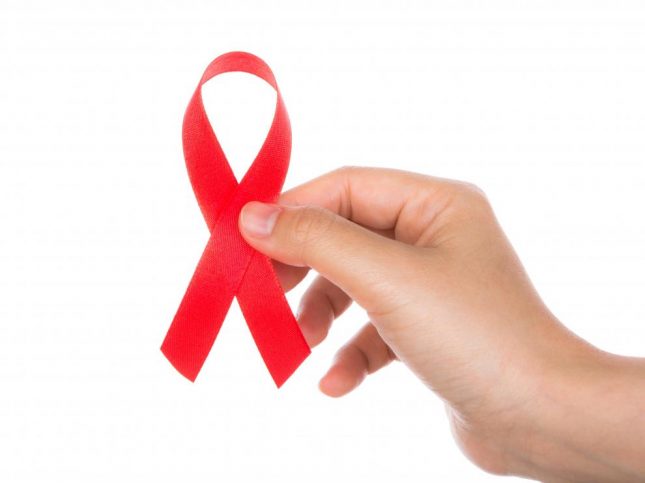
Three HIV patients denounce the stigma they suffer in a documentary
September 27, 2021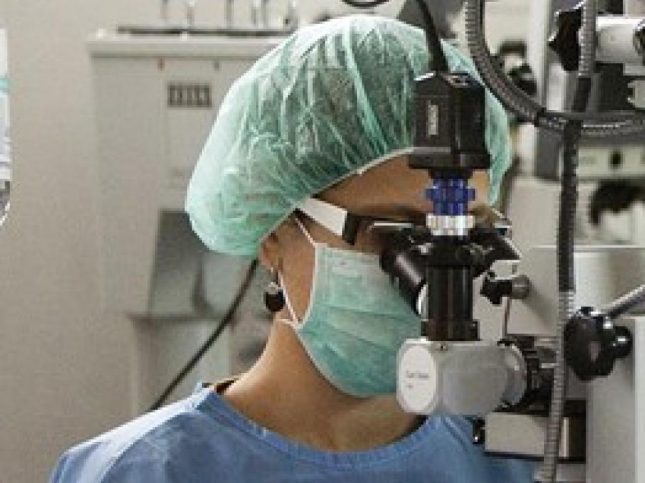
A new drug improves the life expectancy of patients with aggressive eye cancer
September 28, 2021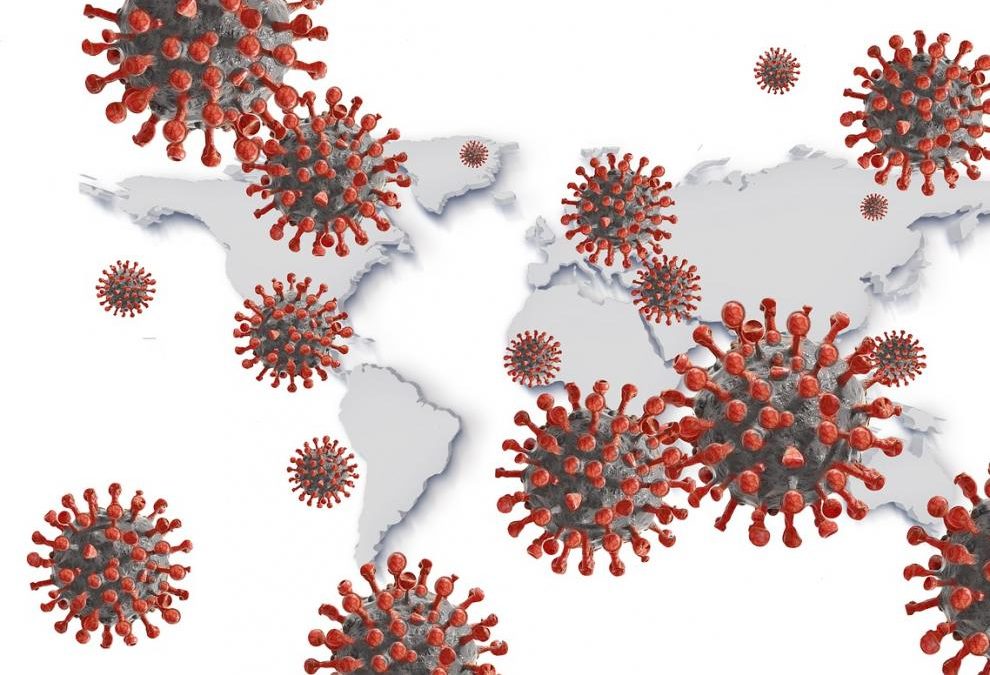
Confinement eliminated the coronavirus variants circulating during the first wave in Spain, according to work carried out by the SeqCOVID consortium, which includes more than 50 Spanish institutions led by the University of Valencia, the Institute of Biomedicine of Valencia (IBV, CSIC ) and the Fisabio Foundation.
Confinement eliminated the coronavirus variants circulating during the first wave in Spain, according to work carried out by the SeqCOVID consortium, which includes more than 50 Spanish institutions led by the University of Valencia, the Institute of Biomedicine of Valencia (IBV, CSIC) and the Fisabio Foundation.
A year and a half after the outbreak of the Covid-19 pandemic, the most complete scientific study on the variants of the coronavirus that circulated in Spain during the 'first wave' has been published. which identifies nine variants of the virus that dominated the pandemic between the months of March and June 2020.
The study used 2.500 samples from patients diagnosed in Spain during the first wave of the pandemic, collected by 40 hospitals and sequenced by the SeqCOVID consortium, a research team made up of more than 50 Spanish institutions and hundreds of researchers leading the University of Valencia. , the Institute of Biomedicine of Valencia (IBV, CSIC) and the Foundation for the Promotion of Health and Biomedical Research of the Valencian Community (Fisabio). lThe samples analyzed represent 1 percent of all cases diagnosed in the first wave (14% before confinement).
The research team identified 9 variants of the virus (called SEC, from Spanish Epidemic Clades), which were the ones that dominated this first wave in Spain. Two of them (SEC7 and SEC8) were the first detected in the country and the predominant ones during that period, and are associated at least with two known superspreader events: the Atalanta-Valencia Champions League match and a Vitoria funeral, although early pockets are identified in other parts of the country.
There was not a single introduction of the virus into Spain but rather "multiple independent entries" (at least 500), from different international origins, which occurred mainly during February and March 2020, before the implementation of control measures.
"The majority of infections in the first wave before confinement in Spain were caused by strains of the A lineage of the coronavirus. These were abundant in Asian countries at that time, but were less present in the rest of the European countries, where strains of lineage B. This does not mean that the introductions of SARS-CoV-2 in our country were mostly Asian," explains Álvaro Chiner, one of the CSIC researchers at the IBV in Valencia who participated in the study.
According to Chiner, in reality, "most introductions come from European countries, but lineage A strains were established earlier and, thanks to superdispersal events, they spread rapidly in our country."
The researchers observed a similar pattern for the variant that dominated in the second wave (named 20E(EU1)), which they have just published in 'Nature'. ANDThis variant spread rapidly in Spain helped by super-dispersion events and ended up dominating the second wave in Spain and much of Europe, associated with summer mobility.
"This is a lesson that we have not learned from last summer" says Fernando González Candelas, professor at the University of Valencia, researcher at the Institute of Integrative Systems Biology (UV-CSIC) and at Fisabio, and one of the coordinators of SeqCOVID .
Furthermore, the first wave work published in 'Nature Genetics' quantifies the effectiveness of the measures implemented to control the virus during the first wave: All identified variants reduced their prevalence and transmission significantly after the state of alarm. They virtually disappeared at the end of the first wave and were replaced by new variants that emerged in the summer, when confinement measures were relaxed.
"Confinement was highly effective in stopping the transmission of the virus. Not only for the dominant SEC7 and SEC8 variants, but for all those circulating at that time, including those that contained the S gene mutation called D614G, which was the first to be detected. "proved to increase the transmissibility of the virus," highlights Mariana López, CSIC researcher at the IBV and co-author of the study.
"We are seeing something similar through the waves. We are detecting more transmissible variants, but their impact can be controlled with appropriate control measures. Where these measures have not existed or are more relaxed, the variants have aggravated the outbreaks. It happened in the United Kingdom with the Alpha variant and it is happening in Spain with the Delta," indicates Iñaki Comas, CSIC researcher at the IBV coordinator of SeqCOVID.
According to the SeqCOVID consortium research team, the results of this work, as well as that of the second wave recently published in 'Nature', demonstrate the need to incorporate genomic epidemiology as another public health tool to track the virus and identify the variants with the greatest impact.
"Active surveillance of viral mutations must continue to be able to assess the threat of new variants with potential risks to control the epidemic. That is one of the objectives that we have set within the CSIC's Interdisciplinary Thematic Platform for Global Health," comments Mireia Coscollá, researcher at the University of Valencia at the Institute of Integrative Systems Biology (I2SysBio, UV-CSIC) and a of the study coordinators.
SeqCOVID's work has contributed to the creation of a National Genomic Surveillance Network led by the Center for the Coordination of Health Alerts and Emergencies (CCAES) and coordinated by the Carlos III Health Institute (ISCIII). This network is fully integrated into the healthcare work of the hospitals.





