
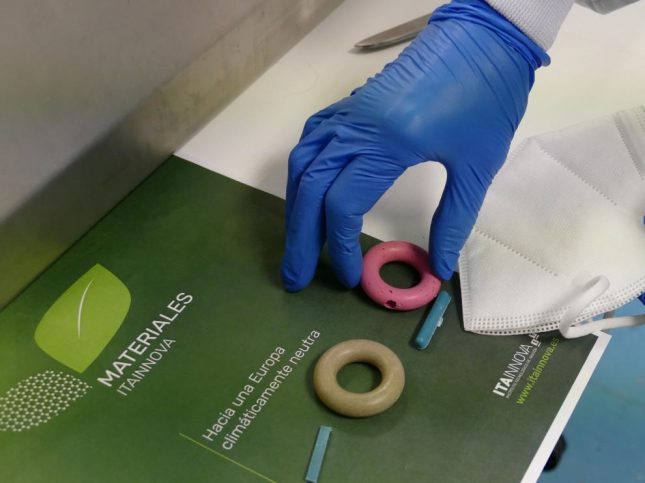
Masks: from waste to recycled plastic
2 February, 2021
The power of vaccines to eradicate diseases
3 February, 2021
In addition to the common symptoms, some nuances can help encourage patients to get tested and confine themselves, to prevent contagion to their cohabitants.
A little over a month ago it was known about the development of an app by the Spanish Society of Immunology (SEI) aimed at differentiating the symptoms between the common cold, the flu and covid-19. It is one of the tools that have been appearing to try to identify each condition more quickly, and try to stop its expansion with responsible actions that follow the detection of each case. Since mid-December, concern has also intensified over the emergence of new strains of Covid-19, such as the British, Brazilian and South African strains. The British strain is currently the most present in Spain, and its main feature is being much more contagious, up to 70% compared to the originally identified SARS-Cov-2 variety.
How to differentiate symptoms
- Symptoms of the common cold. More nasal mucus, cough, sore throat... are symptoms of the most common respiratory viral condition, without usually having muscle pain or high fever.
- Flu. It is also caused by a virus, muscle pain and fever usually appear, and it shares coughs, sneezing and congestion with a cold.
- Original Covid-19. As for symptoms, it is like a very strong flu, with the additions of extreme fatigue and dry cough; In addition, it usually presents nausea, diarrhea and very striking symptoms that usually make those affected certain that they have been infected, even before going to take the PCR test; loss of smell and alteration of taste, as well as spots on the epidermis.
- British strain. Very similar to the one already known since March of last year. It also presents with a dry cough, fever and extreme fatigue, loss of smell, altered taste, sore throat and headaches and skin problems, with the frequent addition of conjunctivitis.
- Pollen allergies. Although it is a totally different condition in nature and origin, it shares symptoms such as sneezing, congestion and cough with the previous ones. There is usually itching and redness in the eyes and nose, as well as watery eyes.
In perspective
On December 14, the British authorities revealed the detection of a SARS-CoV-2 variant, with 1.108 cases within its borders, after a study begun two months earlier, on October 5; Its apparent origin was in the southeast of the nation, an area in which the capital of the United Kingdom, London, is located. Between October 5 and December 13, more than 50% of isolates from southeast England were identified with the variant strain. The majority of covid-19 cases in which this variant is detected correspond to people under 60 years of age. The variant is defined by a set of 14 mutations that vary the amino acids of the virus and cause three deletions, in addition to increasing transmissibility between 40 and 70 percent. The great concern lies in knowing the effectiveness of the vaccine that is already administered around the world against this variant.





