No, science doesn't say you can eat all the red meat you want.
October 8, 2019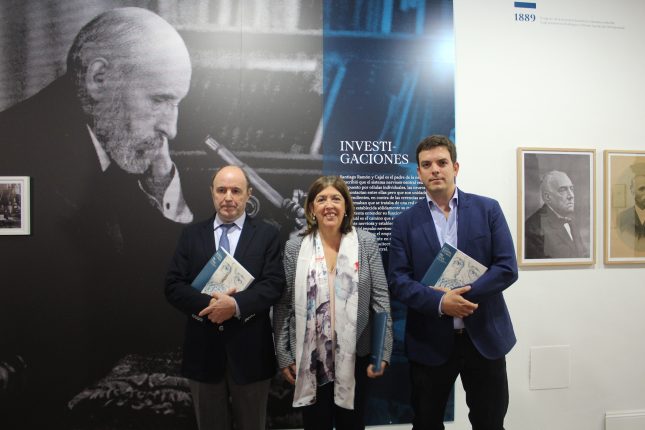
Ramón y Cajal returns to the University of Zaragoza
October 8, 2019
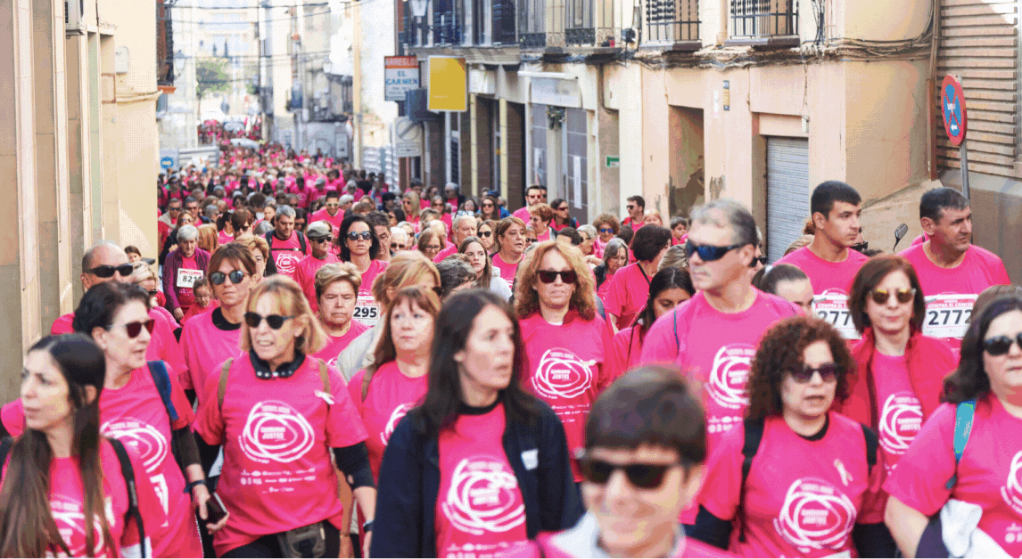
In Aragon, 450 people are part of the Ostomy Association of Aragon. This Saturday's event seeks to make visible a reality that still remains hidden today in most cases.
A few days ago, the Galician Víctor Loira covered a route of more than 800 kilometers by bicycle between Galicia and Guadalajara to make visible the situation of ostomy patients in our country and to claim the need for adapted bathrooms in public areas. Today, October 5, we celebrate the World Ostomy Day, a group that in Spain alone brings together around 70.000 people.
Almost all ostomy patients – those who have had a natural or surgically created opening that joins a part of a body cavity to the outside – are derived from a colostomy (55%) – a type of stoma that allows the colon to be attached to the abdominal wall as a result of a surgical act -, compared to ileostomies (35%) - a surgical procedure in which a portion of the ileum is exposed through an opening in the abdominal wall to allow the passage of feces - and urostomies (10%) - an opening in the abdominal wall made by surgery that serves to divert urine away from a bladder that is diseased or not working as it should.
In Aragon more than 450 people are part of the Ostomy Association of Aragon (ADO) whose activity revolves around providing greater visibility to this problem and making the needs and aspirations of these people known. In the last two decades since the entity was launched, more than 3.000 patients have gone through ADO, one of the few Spanish ostomy associations that They have a specialized nursing service. “We have an average of 1.000 nursing consultations per year,” explains Eduardo Castán, member of the association.
Its headquarters are located on Catalina Salazar Street and offers consultation two days a week in the afternoon, on Tuesdays and Thursdays. “One of the peculiarities of our pathology is that We depend throughout our lives on specialized personnel and that greatly limits the patient's life.", adds Castán. However, he assures that they increasingly have more means to lead a 'normal' life.