
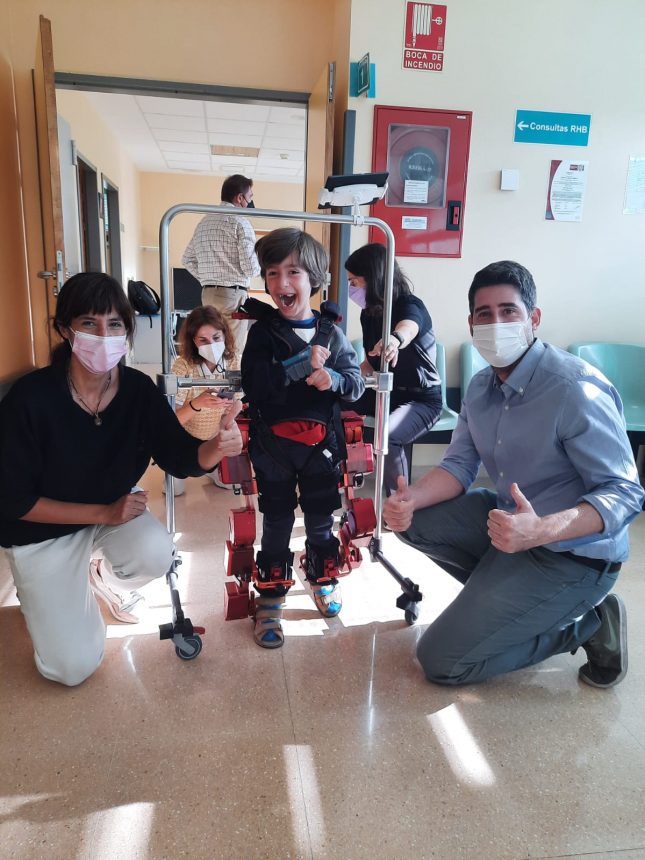
Innovate to improve quality of life: "With a pediatric exoskeleton Juan managed to take 700 steps"
November 15, 2021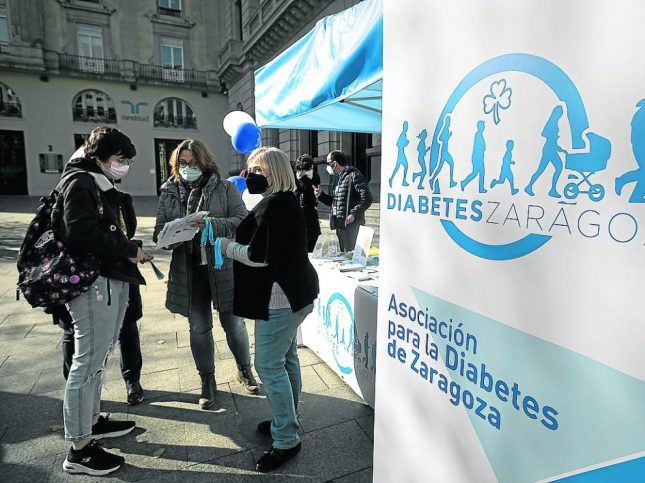
Almost a third of people living with diabetes in Aragon are not diagnosed
November 15, 2021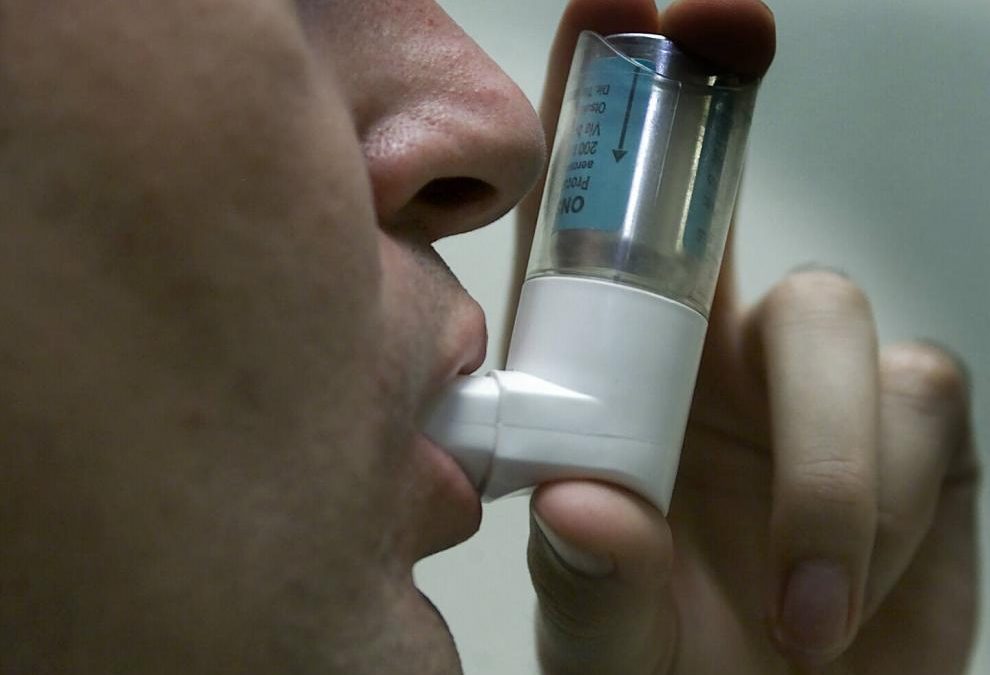
The scientific study has been carried out in La Rioja and has been tested on experimental mice.
The Lung Cancer and Respiratory Diseases Group of the Biomedical Research Center of La Rioja (CIBIR) has discovered a specific drug for the treatment of allergic asthma, which is already It has been tested in experimental mice.
This group has recently published a scientific article in which shows that it is possible to treat asthma using a specific drug for a protein related to the insulin receptor, called IGF1R, the Riojan Government indicated this Friday in a note.
The study is carried out in a preclinical experimental mouse model, whose allergic asthma is induced for a month through the use of mite extract, one of the most allergenic substances that exist in the domestic environment.
Treatment of asthmatic mice with a drug specific for IGF1R cures induced asthma by reversing most asthmatic symptoms, such as mucus secretion, hyperreactivity in the airways, the presence of eosinophil-type leukocytes and other symptoms of lung inflammation.
Modeled therapy is, in this case, a targeted and specific therapy for allergic asthma.
This result is the consequence of several years of research and "arduous" work by this CIBIR group in this very prevalent disease, since it affects 4,5% of the population; costly due to its chronicity from an early age and disabling in severe cases.
The researchers now continue their work to determine if the results could be extrapolated to patients and, if this were so, the doors would open to the possibility of use new therapeutic strategies for asthma.
In this sense, they are working with patient samples to demonstrate the participation of the IGF1R protein also in people affected with allergic asthma.
Along with CIBIR researchers, others from the National Cancer Research Center, the Hospital 12 de Octubre in Madrid and the University of Santiago de Compostela.





