
This is how a new psychological therapy helps me live with my serious neurological illness
13 January 2023
Resurrecting ancient CRISPR-Cas proteins from millions of years ago
13 January 2023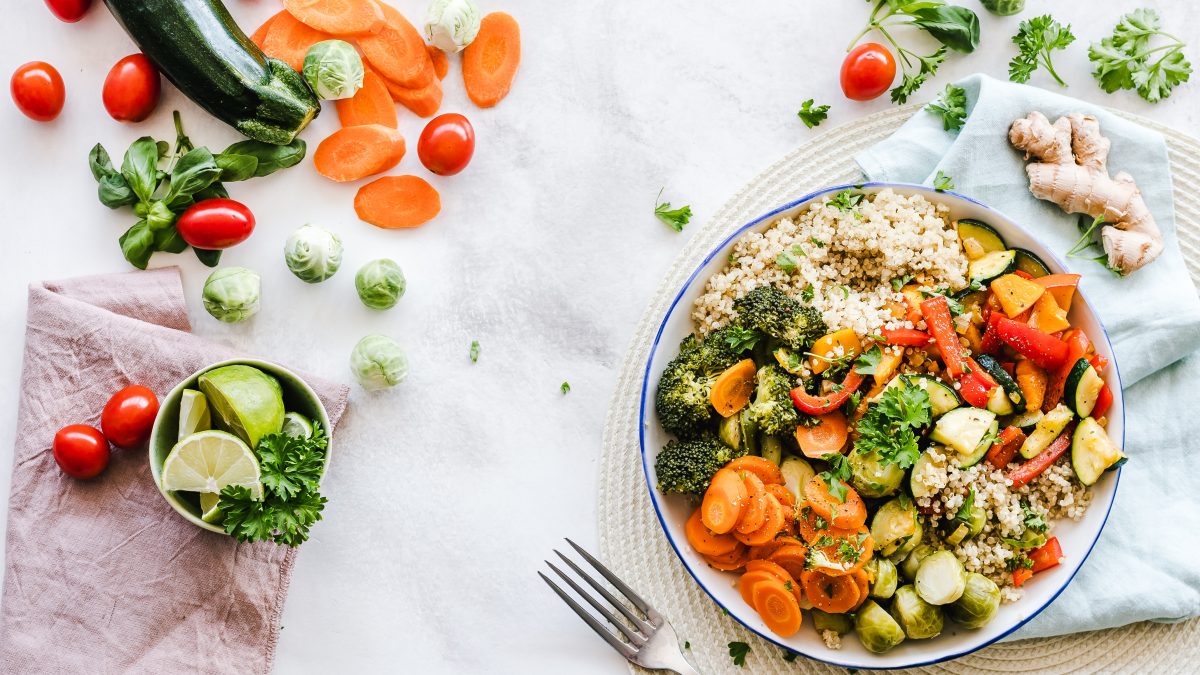
We often unconsciously think that vegetarians or those who follow a diet based on foods of plant origin are healthier than the rest. But be careful, this is not necessarily the case. Sugary drinks, refined cereals or bagged potatoes are products of plant origin, and their consumption entails health risks.
Simply comparing a vegetarian person with another person who is not vegetarian is very reductionist. Let's see what science says about it.
Rich and grounded foods
Several studies have shown that people who exclude foods of animal origin completely (as in the vegan diet) or partially (as in the lacto-ovo-vegetarian diet) have a lower risk of dying compared to those who regularly incorporate these products into their plate. For this reason, attempts have been made to promote the consumption of plant foods in the population.
But are they all valid? The answer is a definit no. You must select those of high nutritional quality. And which ones can we classify as such? There is no need to look for bizarre products, with sophisticated names, or excessively expensive ones.
Lentils, chickpeas and beans fall into this category, as well as others such as whole grains (100% whole grain bread if possible, whole grain rice or whole grain pasta), fruits, local and seasonal vegetables or unsalted and unsalted nuts. added sugar.
An obvious and powerful obstacle prevents us from opting, as our first choice, for a plant-based diet: giving up the consumption of foods of animal origin is simply not to everyone's taste.
However, including in the menu more plant foods of high nutritional quality and less of low quality (sweetened drinks, pastries...), in addition to reducing the proportion of food of animal origin (without having to give it up completely), is associated with a 14% lower risk of dying and up to 37% lower risk of dying from a cardiovascular cause in the Spanish population. They also reduce the chances of suffering from diabetes, stroke, coronary heart disease or cancer.
On the contrary, putting a high percentage of low-quality plant foods in our mouths, even if few from animals are consumed, does not offer any benefit. In fact, it could even be counterproductive.
Suitable for all audiences
The dietary guides of the United States and those recently published by the Spanish Agency for Food Safety and Nutrition recommend that everyone follow a diet based on foods of plant origin.
What's more, some studies have shown that, far from false beliefs about supposed nutritional deficiencies in older people, its consumption is associated with a lower risk of frailty in that population group.
The health of the planet will also thank you
Due to climate change, food production with large water and land requirements will put great pressure on the limited natural resources we have, threatening the food security of millions of people. In fact, the food system is one of the sectors that uses the most natural resources and is the most polluting for the environment.
The EAT-Lancet commission established dietary recommendations in 2019 that took health and the environment into account. In Spain alone, for example, a diet with these characteristics would prevent more than 80 deaths annually, reduce the emission of greenhouse gases by around 000% (responsible for climate change) and the use of food by between 70% and 25%. of various natural resources.
Therefore, diets rich in products with lower requirements for these resources – for example, those of plant origin – will also relieve pressure on the planet, helping to ensure that present and future generations do not suffer from food insecurity.
In short, for your health, for the planet, for everyone, make quality and responsible choices. Choose plant-based foods of high nutritional quality over those that are not. Progressively reduce the consumption of foods of animal origin, especially red and processed meats. And above all, remember that gradual changes, although small, have a big impact in the long term.
Read the article on the original website, clicking on the button below this text
Source: The Conversation. Authorship:
Mercedes Sotos Prieto
Researcher Ramón y Cajal (Nutritional Epidemiologist). Preventive medicine and public health. Autonomous University of Madrid. Adjunct Professor at the Havard School of Public Health, IMDEA ALIMENTACIÓN
Featured Image: Source Pexels.com, Photo by Ella Olson