Celia Latorre, cornea transplant in Aragon: "On the second day of the operation I could see perfectly"
1 June, 2022European Health Data and Evidence Network: 6th Data Partners call open until June 14th!
1 June, 2022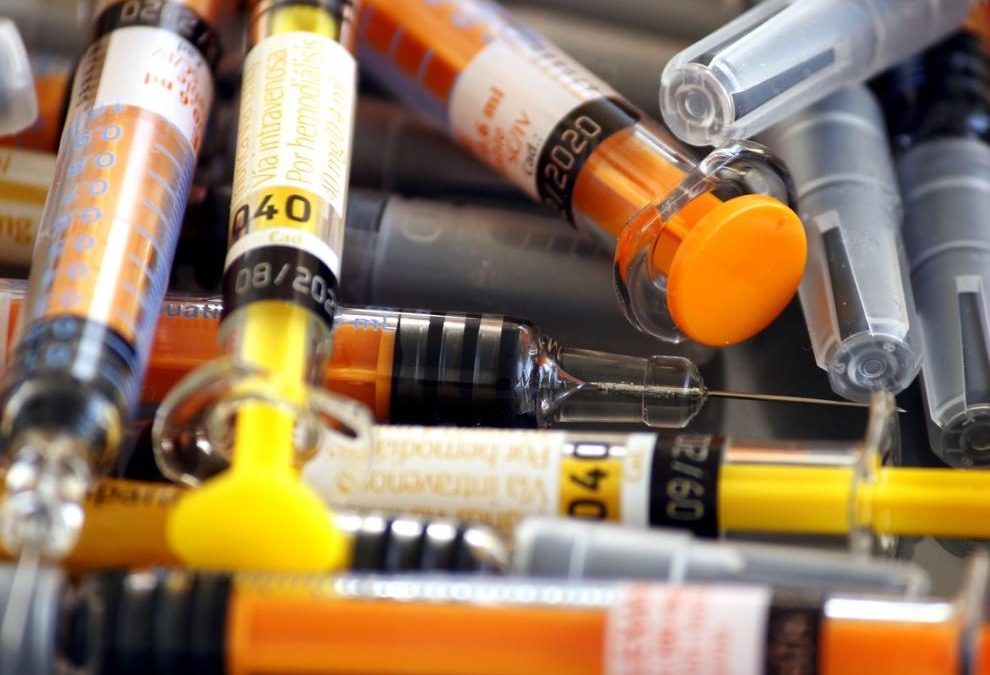
It is the most used anticoagulant and antithrombotic medication in the world and is considered essential in a large number of medical specialties.
"Complex polysaccharide that prevents the formation of thrombi in blood vessels". It is the definition that makes the Royal Spanish Academy from the word 'heparin', a drug classified on the list of essential medicines of the World Health Organization (WHO), essential "in the treatment of anyone at risk of thrombosis, either due to a metabolic cause (coagulation alteration), or prolonged immobilization (after surgery)", points out Luis Miguel García, president of the Aragonese Society of Family and Community Medicine.
The discovery of this anticoagulant and antithrombotic, -the most used in the world, according to the WHO-, dates back to 1916, when Jay McLean, a student at the John Hopkins School of Medicine in the United States, isolated a compound from the liver cells of dogs that caused excessive bleeding in experimental animals.
Where does heparin come from?
An product of natural origin that is present in all tissues of the body, especially in the liver, lungs and muscles, although it can also be obtained through the intestinal mucosa of pigs.
"Although there is a residual production in Argentina and Brazil of bovine origin intended for the consumption of ultra-Orthodox Jews and Muslims (because that of pork origin is impure from a religious point of view), most heparin comes from pork"explains Nacho de Blas, professor of the Department of Animal Pathology at the Faculty of Veterinary Medicine of the University of Zaragoza.
"Specifically, the epithelium - moist skin - that covers the pig's intestine on the inside, in its most mucosal layer.. It is this mucus that is scraped and from which heparin is extracted, which must go through a chemical stabilization process for its subsequent use," says the specialist, who alludes to the "importance of raising these pigs in farms. of quality, without pathogens or viruses that could alter their organism".
20% of global heparin manufacturing is done in Spain, which does not mean that it comes exclusively from Spanish pigs, but that the raw material arrives and is synthesized in our country," says De Blas. "Attempts have been made to obtain synthetic heparin, but its cost is about ten times higher than the product current. Day by day, pork origin remains the only source of this product"concludes the specialist.