

The deadline to sign up for 'ipIBA Day' has been extended until May 13
3 May 2022
What is adenovirus F41, the main suspect in the childhood hepatitis outbreak?
4 May 2022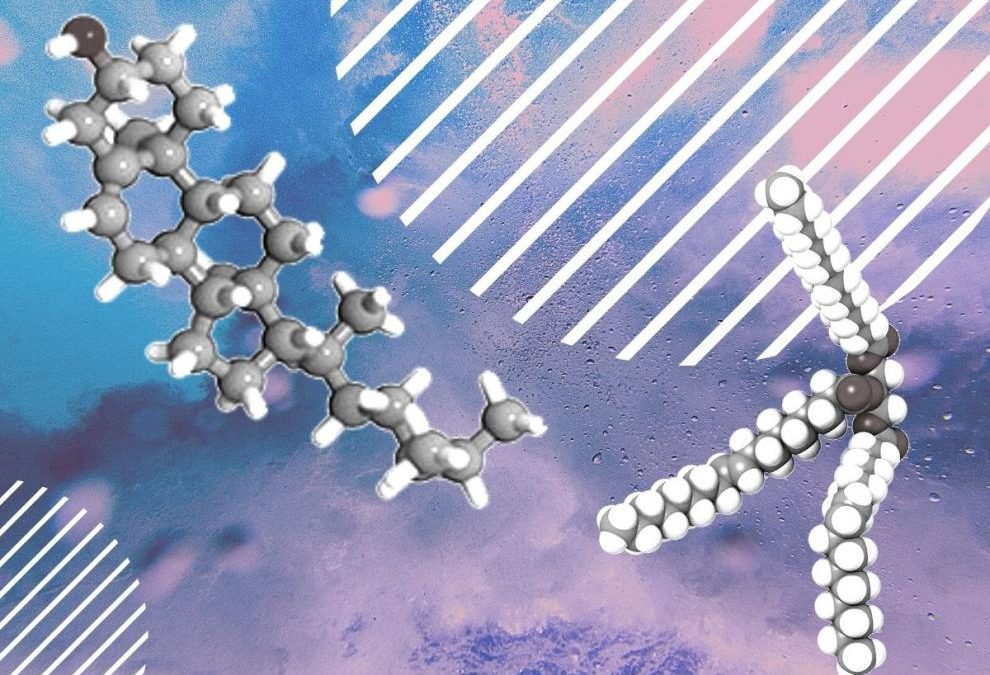
When going for regular medical check-ups, the most feared number in the blood test results is total cholesterol. See how to lower bad cholesterol without medication.
"Fatty substance found in the membranes of various cells and in blood plasma." This is the definition of cholesterol, that word that gives a certain respect to hear in a doctor's office, whether the result refers to good, bad or triglycerides.
But What differentiates one from the other and how do they affect health? Cholesterol is involved in several vital processes, such as digestion or the formation of hormones.. Most are produced in the liver and the blood is responsible for directing fat to the areas of the body where it is needed.
This function is done in two trips. "One way that is carried out with the cholesterol that is recycled and does not accumulate, which is the good, and another one comes back with the excess, to be stored or expelled, which is the bad"explains Luis Miguel García, president of the Aragonese Association of Family and Community Medicine.
"This is the reason why having high malo can lead to cardiovascular diseasesWhile If the good is also in high values, its consequence for the body is positive. since it helps transport and eliminate other forms of cholesterol from the body," says the doctor.
Optimal cholesterol levels
It is measured in milligrams (mg) cholesterol per deciliter (dl) of blood and the levels to control them are the following, according to MedinePlus:
- total cholesterol level. Desirable: Less than 200 mg/dl. Upper limit of the normal range: Between 200 and 239 mg/dl. High: 240 mg/dl or more.
- LDL cholesterol level. Optimal: Less than 100 mg/dl. Upper limit of the normal range: Between 130 and 159 mg/dl. High: Between 160 and 189 mg/dl. Very high: 190 mg/dl or more.
- HDL cholesterol level. At 60 mg/dl or more, it is considered to protect against heart disease. With less than 40 mg/dl it would already be a risk factor for heart disease.
What is the difference between triglycerides and cholesterol?
To prevent enfermedades cardiovascular in one of the maxims to keep cholesterol at bay. but it exists another type of lipid that is found in the blood that is also necessary to take into account to prevent these diseases: triglycerides that, unlike cholesterol - which is used to build cells and certain hormones - They store unused calories and provide energy to the body.
According to the Mayo Clinic, a global leader in healthcare and research, "high levels may contribute to hardening of the arteries or thickening of the arterial walls, which increases the risk of stroke, heart attack and heart disease." These are the recommended values:
- Normal: less than 150 milligrams per deciliter (mg/dl).
- Limit: 150 to 199 mg/dl.
- High: 200 to 499 mg/dl.
- Very high: 500 mg/dl or more.
Source: Heraldo de Aragón





