
El Servet, recognized as a specialized stroke care center
22 June, 2020
Who created SARS-CoV-2?
22 June, 2020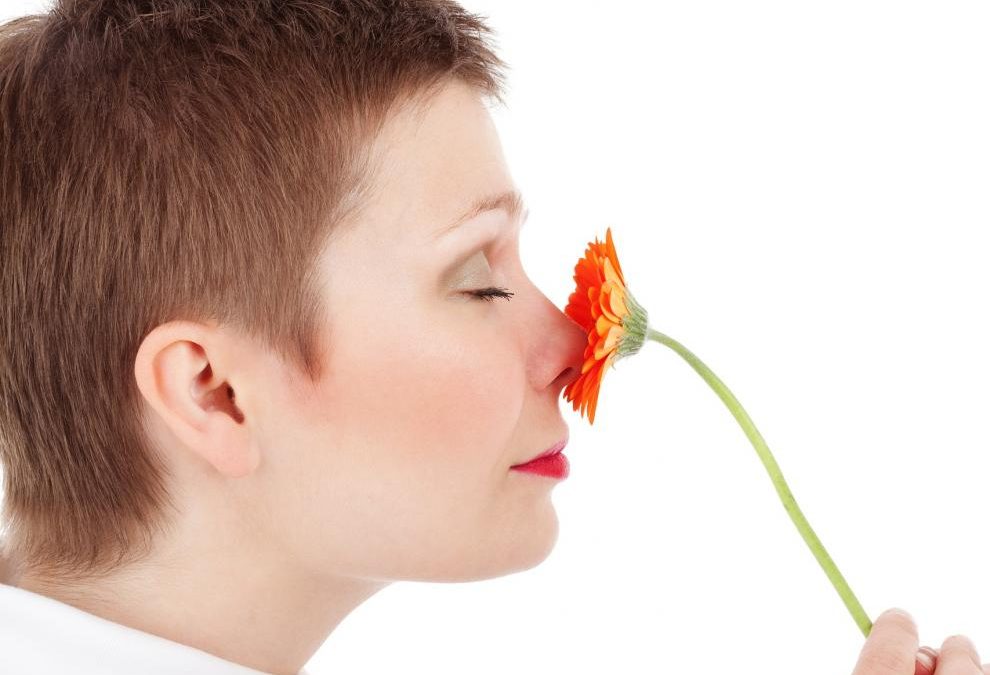
In April, a consortium of scientists from 43 countries, including Spain, began a project to try to find out if the loss of smell and/or taste is associated with covid-19 and how often.
In April, a consortium of scientists from 43 countries, including Spain, began a project to try to find out if the loss of smell and/or taste is associated with covid-19 and how often. The first results are already known and, yes, these two senses are altered to a greater or lesser degree.
The first data of this macro-study have been obtained from 4.039 surveys translated into thirty languages and carried out with patients or people who have had the disease; Behind it is the Global Consortium of Chemosensory Researchers (GCCR) initiative.
The objective, to know if during the period of illness this loss of smell, taste and/or chemesthesis is generalized, the latter phenomenon by which certain sensations are felt in the nose while we ingest flavors, for example what spicy foods produce in us. nostrils.
Thus, according to the results, if the maximum olfactory capacity is 100 points and the maximum loss of this quality is -100 points, the average loss of olfactory perception in people during the development of covid-19 is at -79.7 points.
Something similar happens in relation to taste, where the average lack of taste in patients with covid-19 was -69 points, while the loss of chemesthesis was -37.3 points on average.
As for specific flavors, this first data shows how frequently these changes occur, that is, how many people who completed the survey perceived some variation.
Thus, a total of 1.840 noticed changes or difficulties when detecting the salty taste; 1.788 showed alterations in sweet taste; 1.586 participants noticed changes in bitters; 1.511 in capturing acidic flavors; and 1.079 people showed changes when it came to noticing tasty foods (unami).
These first results have been published in the scientific repository medRxiv, without review by other experts, but the article has already been accepted by the scientific journal Chemical Senses.
"This is a very important first study because, by demonstrating that there is a loss of smell (anosmia), taste (ageusia) and chemesthesis, we can study more things related to these symptoms," Paloma Rohlfs Domínguez, told Efe. from the Department of Psychology and Anthropology of the University of Extremadura in Cáceres, and one of the signatories of this first article.
And, according to Rohlfs, researchers have begun to compare the chemo-sensory changes, that is, the reduction in smell, taste and chemesthesis that occur as a consequence of covid-19 with those that cause other respiratory diseases; the survey actually asks about other respiratory diseases.
The World Health Organization (WHO) includes fever, dry cough and fatigue among the most common symptoms of covid-19, and includes loss of taste or smell in the group of less common symptoms.
According to the Spanish researcher, as a result of these first results and if they are confirmed in subsequent analyses, anosmia and ageusia should become part of the most common symptoms.
The GCCR is led by the University of Pennsylvania in the United States and it is this institution that centralizes all the questionnaires. Then the analysis is done among various groups of the consortium.
The scientists and doctors who are working on this initiative do so voluntarily, but the future request for funding from different entities for research activities is not ruled out.
So far, 36.500 surveys have been carried out, about 3.700 in Spanish, and the study is still open, so the questionnaire can be filled out on the consortium website (https://gcchemosensr.org). It takes about 15 minutes to do so.
Participants have to anonymously answer questions, for example, about the diagnosis, whether they have been able to smell during the period of illness or whether they have noted changes in specific tastes: sweet, salty, sour, bitter and unami.
When all the surveys are collected, the project researchers will again draw and publish conclusions, this time with more data, about the loss of smell, taste and/or chemesthesis.





