

SPATA33: the molecule that will accelerate the development of contraceptives for men
August 25, 2021
The WHO recognizes the need to accelerate new studies to find the origin of the coronavirus pandemic
August 26, 2021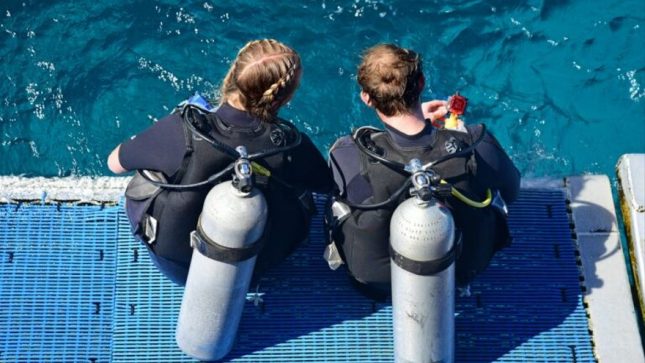
It's not being a typical summer. The Delta variant is greatly complicating the health situation despite the level of vaccination that we have achieved in Spain.
Many summer activities and traditions are still subject to restrictions due to the pandemic. But despite this, little by little we are recovering some.
In addition to enjoying the sea and swimming pools, summer is also a time for music festivals, popular festivals and plane trips. And all of them can cause ear problems.
As there are still holidays left, the Spanish Society of Otorhinolaryngology and Head and Neck Surgery (SEORL-CCC) offers some preventive measures to protect our ears.
In swimming pools and beaches
When bathing, otorhinolaryngologists must pay attention to:
Swimmer's ear: what it is, how to prevent it and how to treat it
Concerts, parties and music festivals
We must not forget that exposure to loud noises has a very harmful effect on hearing.
Above 80 decibels our auditory cells are damaged and do not recover!
Diving and diving
Whether you do it regularly or have decided to start this summer, remember that the Pressure changes when diving can damage your ears.
For this reason, otorhinolaryngologists advise "to efficiently compensate for these changes through the function of the Eustachian tube and not to practice these sports if you suffer from a cold or have any ear pathology."
Flights and train trips
Changes in atmospheric pressure do not only occur when we get on a plane. A train trip or going up a mountain pass by car can also cause them.
To avoid that unpleasant sensation of clogged ears, the SEORL specialists advise performing maneuvers to open the Eustachian tubes and avoid clogging. Between them:
These types of things can be done as long as we do not suffer from ear problems or a respiratory infection.
In any case, otorhinolaryngologists recommend that, "if you have any problem in the ear or upper respiratory tract, consult a specialist before going on vacation, especially if you plan to practice any activity that compromises the ears."





