

Childhood obesity, the other pandemic
31 May 2021
Spots, blisters or scars: the risks of black henna tattoos
2 June, 2021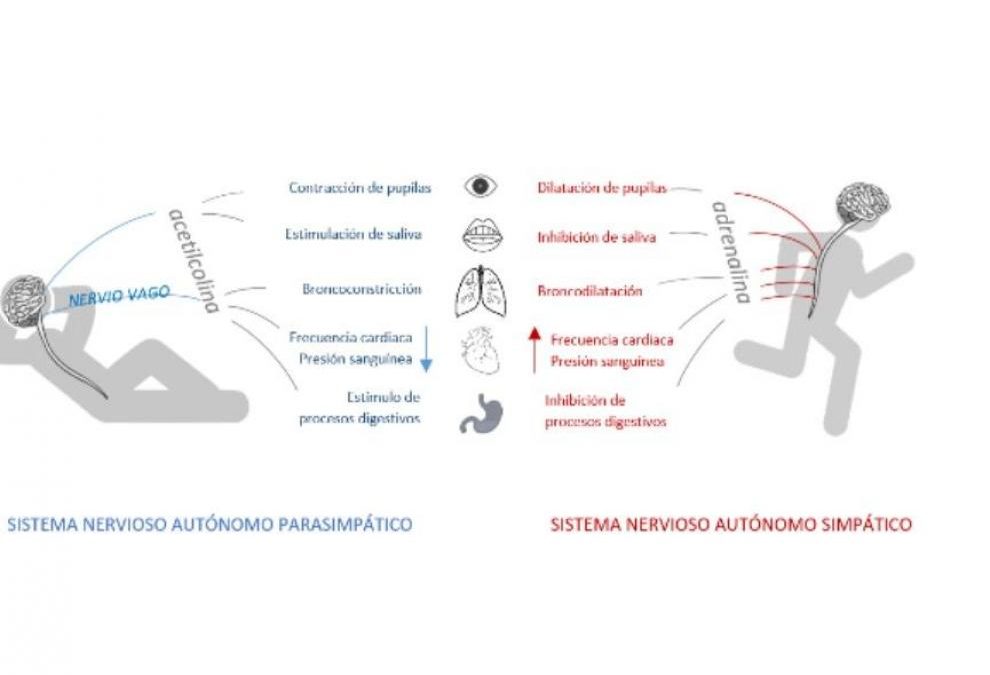
The health effects of exposure to long-duration, strenuous physical exercise are still unclear. Unizar research has studied the physiological responses that occur in marathons and ultramarathons.
The number of marathons and ultramarathons held around the world has not stopped growing in recent decades. Every year, more people are exposed to a long-duration, strenuous physical exercise whose effects on health are still unclear. Research from the University of Zaragoza has studied the physiological responses that occur in these races from a perspective that integrates the analysis of heart rate variability, tension and arterial stiffness.
One of the most used non-invasive methods to evaluate the functioning of this system is the measurement of heart rate variability. By measuring and analyzing the time that elapses between heartbeats, we can know certain characteristics of the activity that the autonomic nervous system is developing at that moment. This informs us, for example, of the level of physiological stress that the body is facing, and that may be due to various factors, among which would be physical exercise.
To verify the effects of running a marathon or ultramarathon on the functioning of the autonomic nervous system, research has been carried out at the University of Zaragoza where The responses in the heart rate variability of people who run them have been studied, as well as its relationship with two important cardiovascular risk markers: arterial tension and stiffness.
According to the results of this research, participation in a long-distance race could have a positive vascular effect in healthy people
The results of this research show that, although participation in this type of races involves a temporary alteration of the activity of the autonomic nervous system, Both arterial tension and stiffness are reduced below resting values after finishing the race. This means that, according to the results of this research, participation in a long-distance race could have a positive vascular effect in healthy people.
Is 'Too Much' Exercise Bad for Your Health?
Although the health benefits of physical exercise are well documented, there is currently some debate about the existence of a possible maximum limit of beneficial exercise for health, which has given rise to what is known as 'extreme exercise hypothesis'. This hypothesis proposes that, after a certain volume of exercise, health benefits would cease to occur, and risks would increase. Some studies have tried to quantify what that volume would be, but to date there is no clear consensus. In any case, it should be noted that, if this limit really exists, the vast majority of the population would be very far from reaching it with their usual practice.
The American Heart Association, in its latest scientific position, supported by the American College of Sports Medicine and the Cardiovascular and Pulmonary Rehabilitation Association, after reviewing and discussing the most up-to-date evidence, concludes that The benefits associated with physical exercise in general far exceed the possible risks for the majority of the population without pathologies. This means that the vast majority of people are going to improve our health and benefit from the effects of physical exercise without having to worry about whether we are doing 'too much' of it.
Can I know my heart rate variability?
Today there are multiple devices on the market that allow you to measure and process your heart rate without the need for extensive equipment or prior knowledge. You can find mobile phone applications, both free and paid, that record your pulse simply by placing your finger on the camera. From this record, the application automatically calculates various indices related to the variability of your heart rate. Performing these measurements regularly will allow you to know how your autonomic nervous system is functioning at those times, and this information can be very useful to know the level of physical, mental or any other type of stress that your body is facing, thus allowing you to Act accordingly.
What does sympathetic and parasympathetic activity mean?
The activity of our autonomic nervous system is divided into two antagonistic branches, according to its functionality: sympathetic and parasympathetic.. Sympathetic activity, also known as the 'emergency system', is activated and becomes predominant in situations in which the body is receiving a stressful stimulus. For its part, parasympathetic activity is also known as the 'rest or recovery system', and prevails in situations of energy conservation, regeneration or physical recovery.
In normal situations of rest, parasympathetic activity prevails, allowing us to be in a state of tranquility and perform vital functions such as digestion. However, In a stressful situation, sympathetic activity prepares our body for action, increasing our heart rate or dilating our bronchi, among other effects.





