
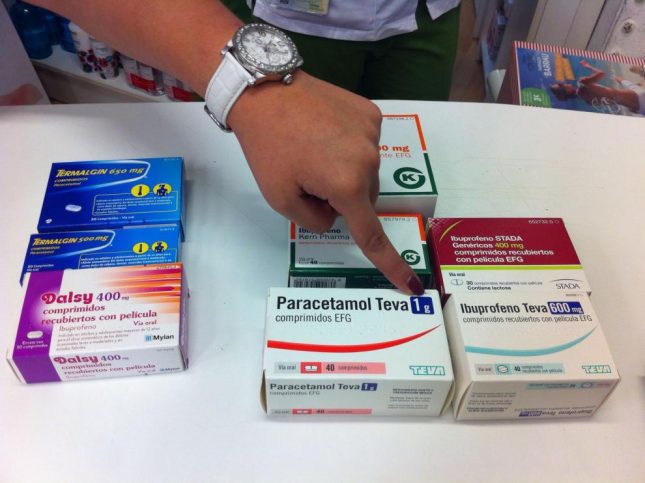
Ibuprofen or Paracetamol: Which Works Better to Relieve Omicron Symptoms
11 January 2022
José María de Teresa: «Neurotechnology will allow our thoughts to be read»
11 January 2022
The Government of Aragon has disseminated some advice proposed by the WHO to deal with the anxiety and stress that the pandemic and confinements produce on our mental health.
The pandemic of coronavirus It is now approaching its second year and still vWe live with the uncertainty of whether we will have to maintain new quarantines at home or not. The high contagion capacity of the omicron variant is causing confinements and stress. Close contacts, antigen tests, back to school, teleworking yes or no... They are situations that generate anxiety in the population. And if we add to all this a quarantine and its consequent prohibition of going out for those who are positive, our ability to cope with so much stress is seriously compromised.
The health authorities are betting on the self-control of emotions to face a crisis like the one we are living. From the Twitter account of Government of Aragon remember the advice of the World Health Organization (WHO):
1. What happens to us is normal
During a crisis, It is normal to feel sadness, fear, confusion, anger or stress. Talking to trusted people can help us. It's time to Contact our friends and family.
2. We must maintain a healthy lifestyle
If we have to stay at home, our diet must be the property, we must try rest properly, exercise and maintain contact with our loved ones and friendships, either with those who are in the same house or by email and telephone if we do not have them nearby.
3. Let's not abuse alcohol and other substances
It is not recommended to smoke, drink alcohol, or consume other drugs. to deal with our emotions. If we feel overwhelmed, we can try seek help from healthcare personnel. You can also have a plan prepared for where to go and how to cover mental or physical health needs when the confinement ends.
4. Be careful with overinformation
We must know the real facts and data. To do this, it is useful to collect information that allows us to make appropriate decisions and precautions to avoid risks. You have to find a reliable source of information, such as the website of the OMS, With the Ministry of Health, Public health... It is recommended to consult always official sources.
5. Let's reduce worries
The way that the WHO recommends to reduce anxiety and agitation is limiting the time dedicated to following media coverage of news that we think may upset our mood. Both to us and to our family.
6. The answer is in ourselves
We have to be able to take advantage of the knowledge that has helped us in the past to handle other adversities. In the face of this pandemic, it is recommended to use our skills that allow us to deal with emotions





