
From Servetus to Malawi, 17 years of children's health cooperation
11 April 2022
Cambridge scientists rejuvenate a woman's skin by thirty years
11 April 2022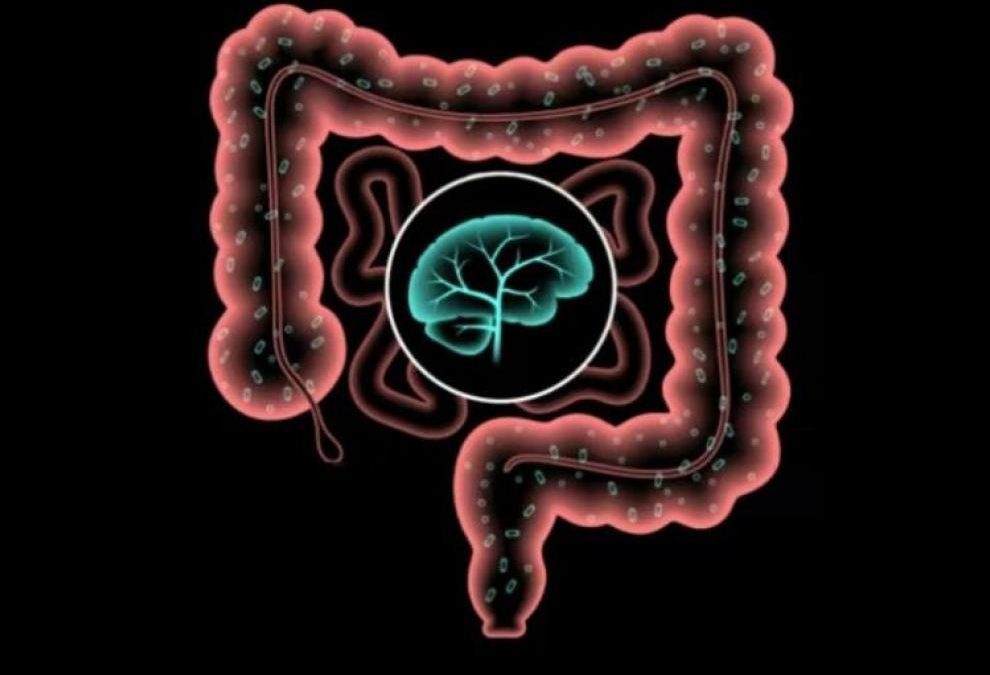
The brain-gut interaction not only influences the regulation of gastrointestinal functions, but also mood and intuitive decision making.
The phrase is attributed to Emmanuel Kant “the hand is the external brain”. It is true that the control of these extremes occupies an enormous percentage of brain function: you only have to look at representations of the “homunculus.”
Of course, they are essential both for the reception of external reality and for the expression of our ideas. However, They are not vital organs. The intestine is and its relationships with the brain go much further.
A study published in 'Nature' by gastroenterologist Emeran A. Mayer explained how both organs, brain and intestine, are connected. This interaction between them takes interest not only in the regulation of gastrointestinal functions but also in mood and intuitive decision making.
Communication between the brain and the intestine is established through nervous pathways, especially by the vagus nerve. But also through blood, of course.
On the other hand, there are other intrinsic cells located in the innermost layers of the intestinal tube (enteroendocrine or enterochromaffin cells) that are loaded with neurotransmitters. For example, they contain peptides (also found in the brain) and serotonin. In fact, the intestine is the place in the human anatomy where the greatest amount of serotonin is found (more than 90%). The rest is found in platelets and just 1% in the brain.
But the intestine is not only a tube with its own neurons and neurotransmitters more or less connected to the brain and with specific neurons and neurotransmitters. A large number of microorganisms also live there.. All together they make up the so-called microbiota. It is a number of bacteria (more numerous than our own cells) that help us with digestion, the fight against other pathogens and in many other processes.
Physical symptoms derived from anxiety and depression
Several decades ago, the old professors of internal medicine explained to us with some sarcasm what they called the 'infero-superior syndrome'. It occurred in many patients with gastroenterological reasons for consultation (dyspepsia, heavy digestion, bloating, pain, feeling of fullness, but also diarrhea, occasional constipation) and a good clinical history, like the one those teachers always took, revealed some type of problem. in the mood.
Many of us have found that Being stressed (from speaking in public or taking an exam) predisposes us, not only acutely but also chronically, to suffer from vomiting, nausea, diarrhea or constipation.
In fact, as is evident, symptoms follow the stressful stimulus (which sometimes doesn't have to be negative). There is even a very particular expression to define being in love: “feeling butterflies in your stomach.”
Anxiety and depression, a public health problem
Anxiety and depression are the two clearest representatives of mood problems. In fact, it is one of the most frequent reasons for consultation not only in psychiatric clinics but also in primary care.
Depression is becoming more common and it is one of the main public health problems. According to the WHO (and this was already the case years before the pandemic) it will be the leading cause of disease burden in 2030.
Thanks to studies like Mayer's, The role of stress in these diseases is increasingly known. Also that of alterations in specific neurotransmitters and poor regulation of the immune systems. But a significant number of patients are resistant to the pharmacological treatments available for depression, which must always be accompanied by psychological therapies.
That's why it exists a pressing need to increase knowledge of its pathophysiology in order to develop more effective therapeutic strategies.
Stress and its influence on the microbiota (and vice versa)
In the last two decades, numerous scientific evidence has been presented, in animal models and in humans, indicating that When an individual suffers stress, an alteration occurs in the intestine and the composition of the microbiota can even be modified.. Conversely, experimental alteration of the microbiota can also induce behavioral changes.
We know that the brain influences the microbiota from studies in which it has been shown that Stress in the early stages of life decreases the concentration of Lactobacilli and causes the concentration of pathogenic bacteria to emerge. by breaking the physiological balance between different populations of microorganisms.
In reverse, the different composition of the microbiota can influence behavior: some bifidobacteria improve depressive-like behavior in rats.
Does stress also cause inflammation?
In recent years, numerous studies have indicated that Chronic low-grade inflammation may also be playing a role in the pathophysiology of depression.
Based on this information, we sought to see if there could be a relationship between inflammation of intestinal origin and stress. Thus, various studies carried out by a group from the Complutense University of Madrid and other researchers show how Stress (a major risk factor for depression) can cause intestinal imbalance.
This could lead to instability in the intestinal barrier (making it more porous) and, therefore, the passage of components of the bacterial wall from the intestine to the bloodstream and other organs. It is a process called bacterial translocation. These components can be toxic and trigger a generalized inflammatory response.
Furthermore, these studies have shown that the composition of the bacterial flora is altered in patients with depression, compared to the flora of healthy control individuals. In general, Bacterial diversity decreases in cases of depression. However, we still do not understand the association between the microbiota and the inflammation detected in depression.
Now we know that Oxidative cellular damage (which is the final consequence of inflammation) is greater in patients with an active episode of depression. In addition, these people also showed elevated levels of a component of intestinal bacteria that is closely related to the immune response: lipopolysaccharide from bacteria of the genus Bilophila and Alistipes, the decrease of Anaerostipes and the complete disappearance of Dialister. These alterations do not appear in patients in the remission stage of their disease.
It is yet to be determined whether bacterial toxins present in the microbiota of patients with depression can circulate throughout the system and signal in some brain structures.
At the moment, it is known that in animal models These bacteria are capable of reaching the brain and activating immune response receptors in neurons. and in other types of cells of this organ. Also, in the brain tissue of patients with depression who died by suicide, a hyperactivation of the immune response is identified.
But we are still far from being able to affirm that there is a causality between these phenomena and the pathophysiology of depression. However, the challenge is there and The task of biomedical science is to unravel all these mechanisms. to offer patients new and better therapeutic solutions.
At this time there is an open project for the study of the microbiome in relation to mental health in which you can collaborate voluntarily.
Juan C. Leza Professor. Dept. Pharmacology and Toxicology. School of Medicine. CIBERSAM., Complutense University of Madrid
Javier R. Caso Hired professor doctor. Dept. Pharmacology and Toxicology. School of Medicine. CIBERSAM., Complutense University of Madrid
This article has been provided by The Conversation
Source: Heraldo de Aragón





