
Salary tables 2022
23 March, 2022
The University of Zaragoza leads an international campaign to celebrate World Tuberculosis Day tomorrow, March 24
24 March, 2022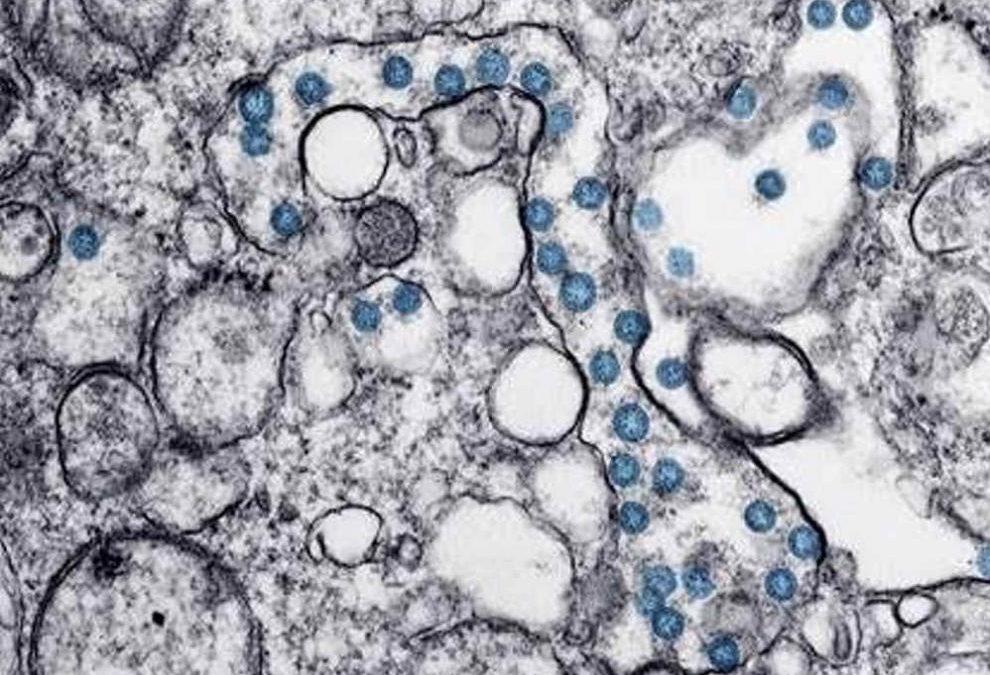
The project by Mariano Esteban and Juan García Arriaza, which uses the vaccinia virus MVA as a vector, shows 100% protection against SARS-CoV-2 infection in mice, hamsters and macaques.
How long do vaccines protect against the new BA.2 omicron variant, predominant in Spain
The fight against covid-19 reveals new combat medical tools almost daily, and Spain also claims its place in that battle. Doctors Mariano Esteban and Juan García Arriaza lead the research at the National Center for Biotechnology (CNB), which is part of the Higher Council for Scientific Research (CSIC). Using the vaccinia virus MVA as a vector, they are working on a vaccine that has shown in preclinical trials a very high immunogenicity and 100% protection against infection. SARS-CoV-2 infection in mice, hamsters and macaques, according to the study published in the journal 'Frontiers in Immunology'.
The method has proven to be effective. Spanish researchers use this MVA virus to express the SARS-CoV-2 spike (S) protein in infected cells, thus stimulating the immune defense against the coronavirus. And if that was not enough, the antibodies generated by the MVA-CoV2-S vaccine neutralize different variants of the SARS-CoV-2 coronavirus, in the order of greatest to least neutralization: alpha, delta, gamma, beta and omicron,” according to Mariano Esteban, who directs the CNB-CSIC poxvirus and vaccine laboratory.
The CSIC covid vaccine, a commitment to pragmatism
The preclinical results obtained with the MVA-CoV2-S vaccine support its future application in clinical trials. However, because the The Spanish population is mostly vaccinated against SARS-CoV-2, the promoters CSIC and Biofabri have decided withdraw the request that was made at the time to the Spanish Agency for Medicines and Health Products (AEMPS) to carry out a clinical trial with the MVA-CoV2-S vaccine in Spain. This does not prevent the vaccine from being considered in other countries and environments, where the vaccination rate is very low and vaccines with high stability are required, and from being used either individually or in combination with other vaccines.
Source: Heraldo de Aragón





