
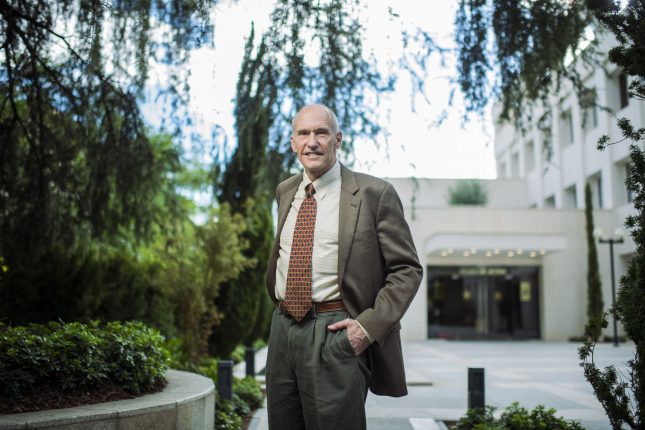
Carl June, doctor: “I see cancer patients who thought they were already dead and, suddenly, boom, they are cured”
September 12, 2022
Oncologists predict that cancer mortality will fall by 30% in the EU by 2030
September 12, 2022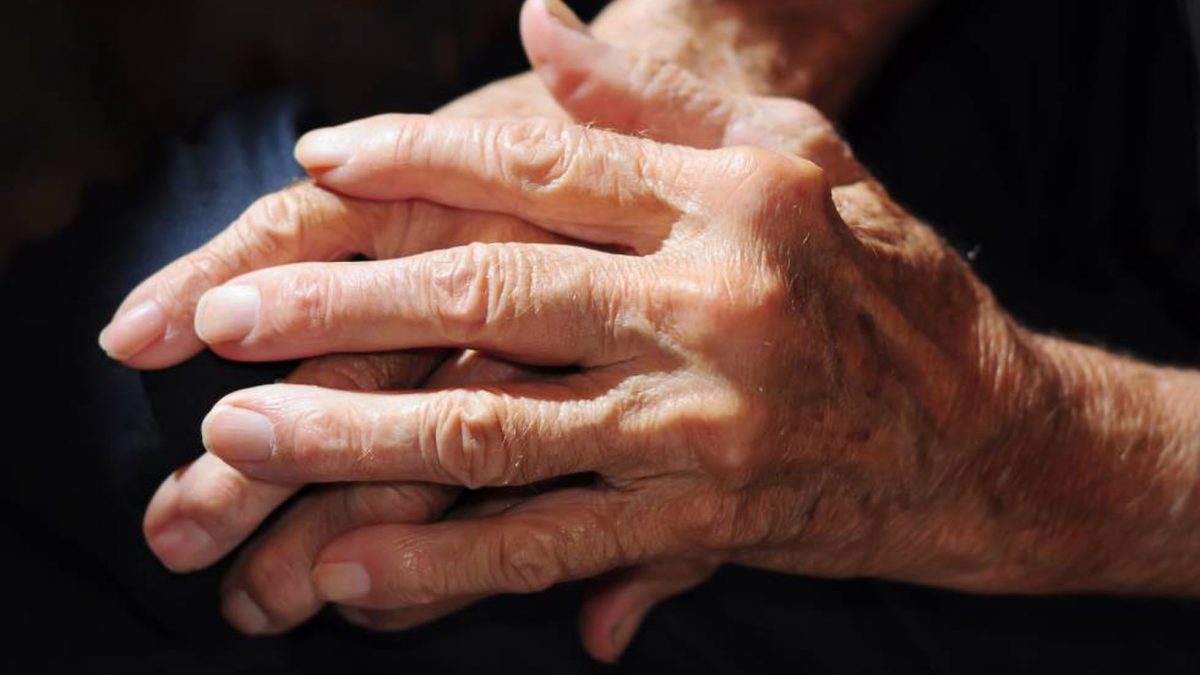
Aging, mechanical wear and tear of the joints and metabolic processes such as obesity can cause osteoarthritis, which causes pain and is very disabling. The scientific community is looking for biomarkers to detect it in its initial stages and a drug to stop its progression.
A type of gelatinous sponge supports the load of articulating the bones of the human body. To move the knee, for example, the femur dances on a bed of menisci that cushion the friction against the bone below, the tibia. These cartilages support the weight of turning and movement with elasticity, adapting to the needs of movement, and returning to their natural position when the leg rests. But these joint pads also get tired and old age, overload or lifestyle habits can wear them down until they disappear. That is osteoarthritis —also called osteoarthritis—, a disease without a cure and very disabling that affects more than 500 million people in the world: it hides silently for 20 years, without causing pain or symptoms; and by the time it is diagnosed, the cartilage is so worn away that little can be done. The scientific community is looking for biomarkers to detect it in its initial stages and a drug to stop its progression.
Diagnoses of osteoarthritis have skyrocketed by 113% in 30 years: in 1990, it was estimated that some 248 million people had osteoarthritis; In 2020, the number rises to 528, according to A study published in Arthritis and Rheumathology, the journal of the American Society of Rheumatology. The aging of the population explains part of this boom, but not only that. There are more factors that influence.
Francisco Blanco, coordinator of the Rheumatology Research group at the Biomedical Research Institute of A Coruña (Inibic) and one of the world references In the study of osteoarthritis, he explains that there are mechanical causes, due to overloading of the joints, that lead to osteoarthritis. But it is not always due to age, but also due to the intensity of wear and tear, such as that exerted by great athletes, for example: “The tissue has resistance and there comes a time when it is destroyed. This mechanical excess produces a series of substances that induce the [cartilage] cell to enter apoptosis,” which is an active death process in which the cells decide, in some way, to “commit suicide,” explains the researcher.
Aging, indeed, is linked to these mechanical causes, but Blanco adds another element: “Years pass and alterations occur in the mitochondria of the cells that produce some substances, such as oxygen free radicals, which also end up inducing apoptosis.” ”. A study of the Spanish Society of Rheumatology revealed that 30% of those over 40 years of age in Spain suffer from osteoarthritis, being more common in women. And the number increases as the years progress: more than half of those over 80 years of age suffer from it.
Researchers have also discovered that in osteoarthritis there are classic mediators of inflammation, the same ones that appear in other ailments, such as rheumatoid arthritis. “At a lower level, but they were also present and induced the death of cells due to inflammation,” explains Blanco, who is also a spokesperson for the Spanish Society of Rheumatology. In osteoarthritis, the inflammation is usually of a lower degree and concentrated in the joint - it hurts when moving it and stops at rest - while in arthritis, the inflammation is systemic (it can even affect other organs, such as the lung or heart). ) and usually causes pain at rest.
The other cause of osteoarthritis that experts consider is the metabolicBlanco points out: “It was always known that obese people have more knee osteoarthritis, but it was interpreted that it was due to a mechanical effect, because the joint had to carry more weight. "Now we know that, in addition, there is a metabolic effect on the cartilage: atherosclerosis occurs and there are plaques in the cartilage." This creates thicker tissue and, biomechanically, in addition to being unfeasible, it can be cytotoxic.
In practice, the outcome is practically similar: “The cartilage begins to destroy and the bone is left exposed. The bone is a rigid structure that does not absorb shocks well and when it rubs against each other, the bone's defense mechanism is to produce more bone to confront this aggression, which produces sclerosis: the bone becomes harder, the condition worsens. joint, it hurts more and it moves worse,” says Blanco. According to The experts, Osteoarthritis of the hip and knees represents the first cause of functional inability to walk in people over 70 years of age and more than half of all affected patients do not have pain control.
Fuente: El País





