

Duque hopes that one of the Spanish vaccines will be tested on humans in the fall
22 May 2020
First-in-human trial of vaccine finds it is safe and induces rapid immune response
25 May 2020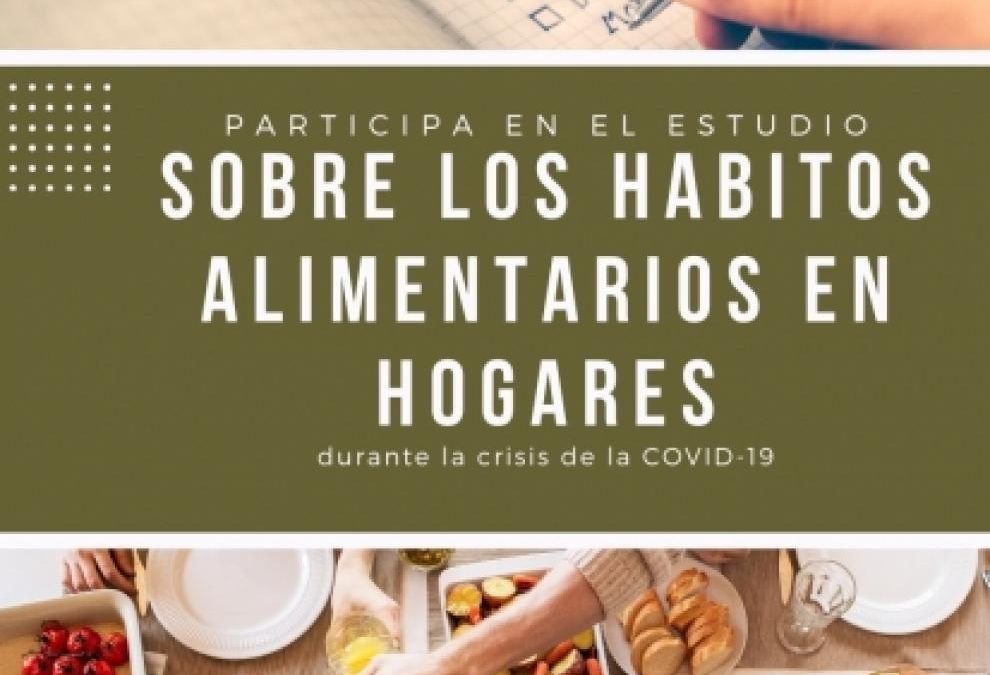
It is led by professionals from research centers, universities and autonomous entities.
Aragón participates in a study carried out by a group of professionals from research centers and universities from different countries who work in the agri-food sector to understand the consumption, purchasing and waste habits that have been generated in homes during confinement.
The General Directorate for the Protection of Consumers and Users of the Aragonese Government has disseminated this Saturday the 'online' survey aimed at families that will provide the keys to knowing the behavior regarding food that has occurred in this period of pandemic, in which Buying, cooking and organizing food has been one of the main activities carried out.
The survey aims to find out what the behavior of Aragonese families has been, whether there has been a change in purchasing habits and to analyze food use, as explained by the general director of Consumer and User Protection, Pablo Martínez.
To all citizens
The survey, open to all citizens, is available on the Government of Aragon portal and Consumo Aragón social networks and only takes 5 minutes to complete, with completely anonymous responses.
The ideal is for only one person to complete it to know the overall behavior of the family unit, DGA sources report. Among other questions, it is asked whether consumption has increased during the state of alarm, whether food has been stockpiled at home, whether more or less food is thrown away than before, whether more attention is paid to expiration or consumption dates. preferably, if you use a shopping list, if you reuse leftover meals, if you use the freezer and also ask about the waste of specific foods.
The responses will be analyzed anonymously and the results of the study will serve to promote initiatives that result in improved food management at home. The questionnaire is also being distributed by social entities, user consumer associations, Fapar, and other organizations that are sending it to families.





