
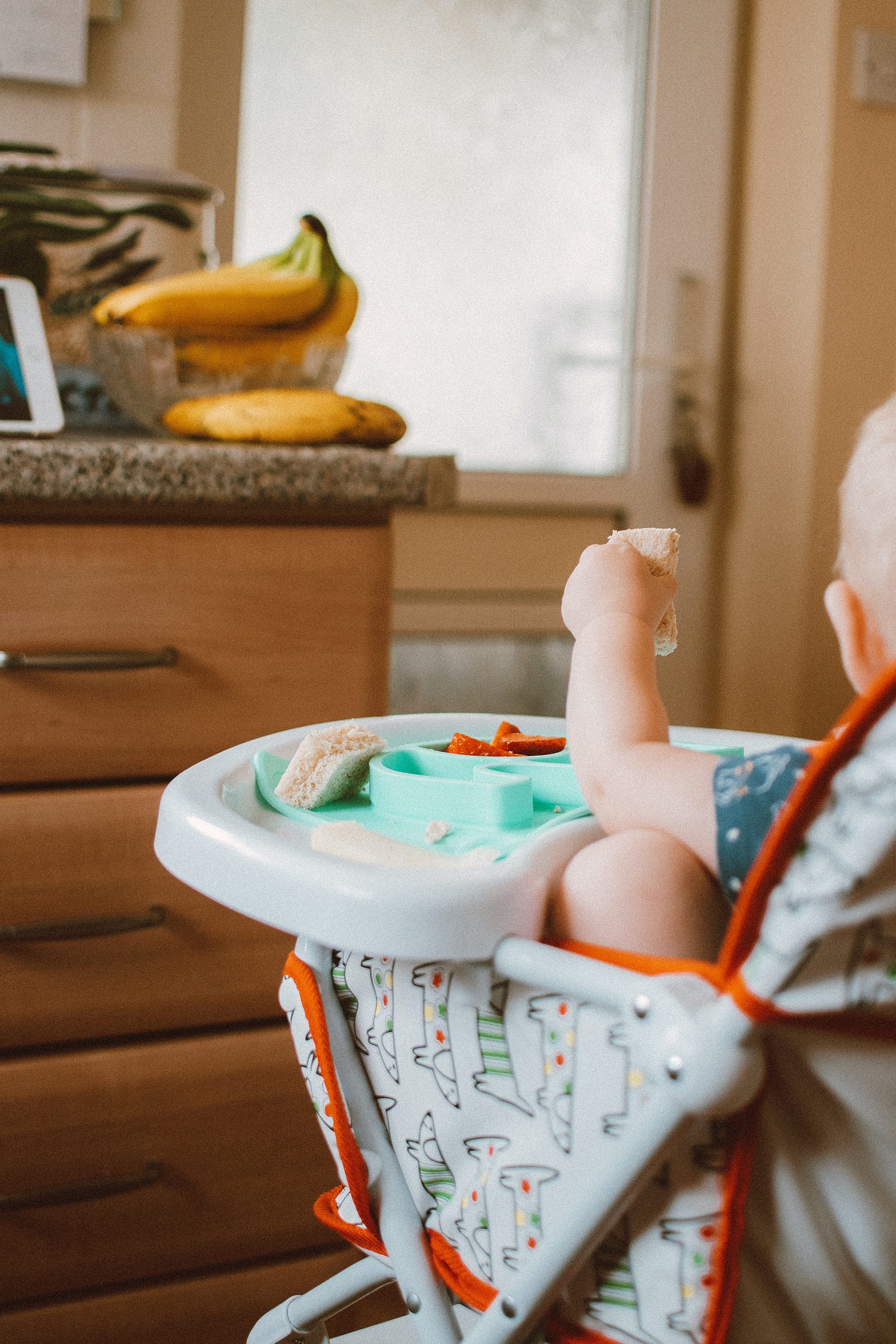
What we eat as babies affects our future health
November 22, 2022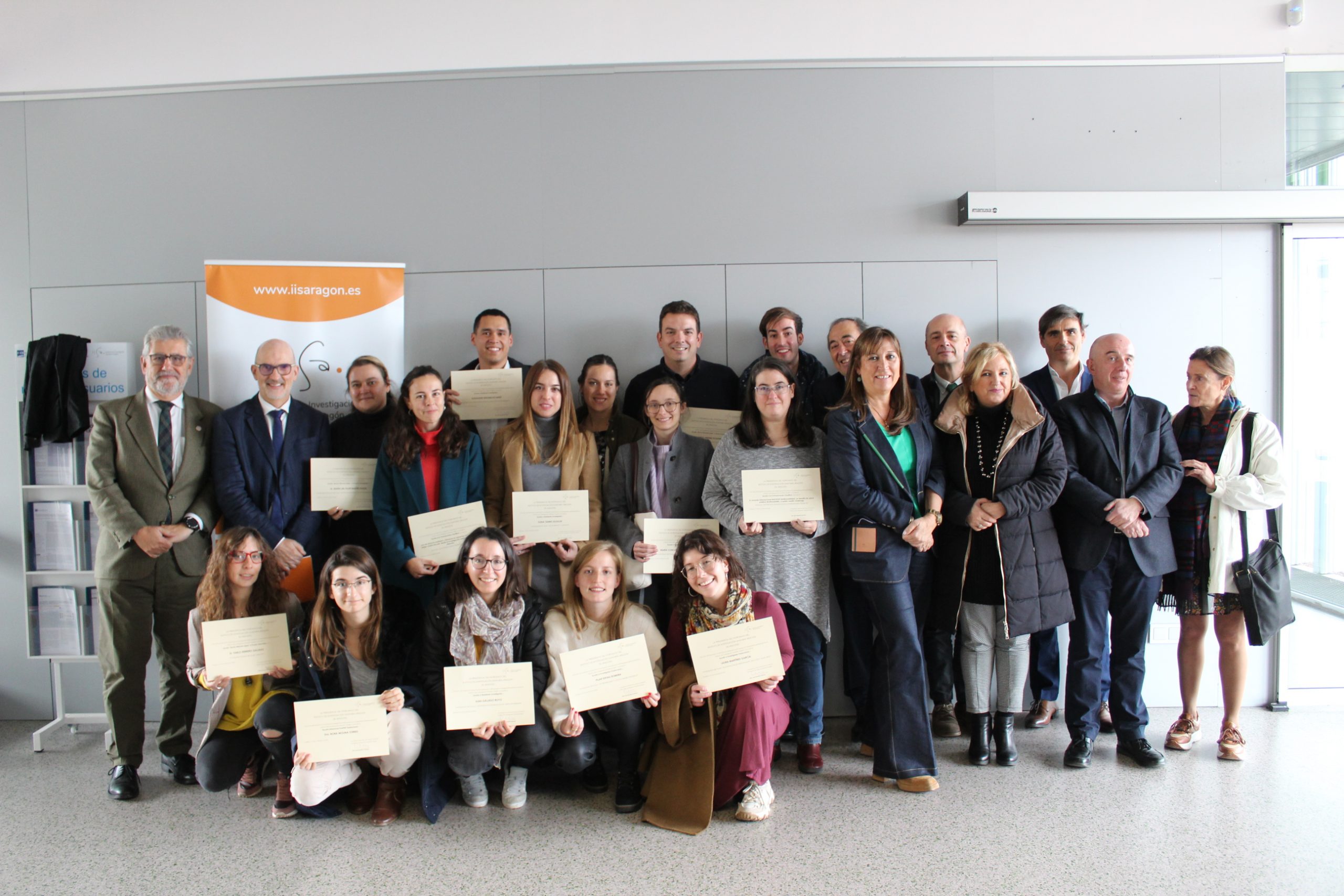
The IIS Aragón delivers Grants for Action to Promote Research
November 23, 2022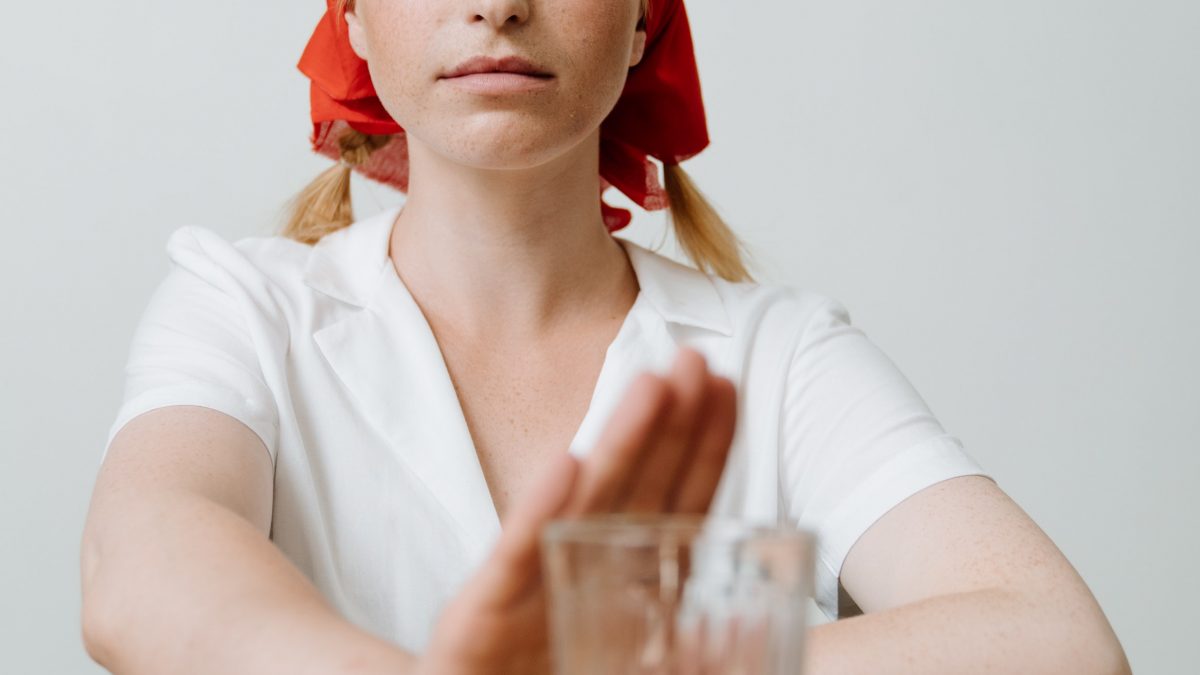
Every year there are 3 million deaths in the world due to alcohol consumption, which represents 5,3% of all deaths. In Spain alone, alcohol is the most consumed drug and causes 15 deaths each year. In the last 500 years, these deaths have decreased slightly in men and increased in women.
On the other hand, alcohol is the first preventable cause of intellectual disability, being responsible for 100% of fetal alcohol syndrome. Alcohol is also the most used drug in chemical submission. Abusing alcohol causes brain atrophy and neuronal damage. Alcohol is also the cause of 1 in 9 breast cancers and is present in 1 in 5 episodes of violence and suicides.
Based on scientific evidence, no professional or institution should recommend alcohol consumption to improve health. Not even in minute quantities.
Binge consumption increases and in women
The pattern of alcohol consumption in Spain has changed in the last 25 years. The number of daily drinkers reached its minimum value in 2017, while the upward trend in binge drinking, known as intensive alcohol consumption, has continued since 2009. A pattern that (mistakenly) 50% of the population does not consider risky.
Furthermore, the differences between men and women are diminishing. Although consumption in the adult population continues to be higher in men, in adolescents consumption is now more present among women. And given that the values do not decrease in men, in the coming years we will see an increase in pathologies associated with alcohol. This increase will have important repercussions on the family, work, social and health environment.
Follow-up studies of adolescents and young people have allowed us to know that a good part of risky sexual practices, traffic accidents and abuse/dependence in adulthood are explained by alcohol consumption. Or that alcohol consumption makes us more vulnerable to physical and sexual attacks, both for women and men, since it limits our ability to identify risks and, if necessary, defend ourselves.
But these follow-up studies have also allowed us to determine that when adolescents start drinking after the age of 16, they reduce the risk of binge drinking by up to 80%. Or that if we could get half of teenagers to start drinking a year later, the rate of alcohol abuse in young adults would drop by 25%.
Hence, delaying the age of initiation of consumption is a priority objective.
Environmental prevention to delay consumption
Different studies have confirmed that adolescents and young people who have sufficient information about drugs consume them the same, mainly in group contexts. Therefore, and taking into account the weight that biological, psychological and social factors have in adolescence and youth, it is necessary to focus more on the environment than on information. It is essentially about changing the context in which the behavior occurs.
Environmental prevention strategies aim to change the cultural, social, physical and economic environment in which people make their decisions. This means that, instead of focusing on designing interventions to help individuals act in a healthy way, environmental prevention proposes creating environments that promote healthy behaviors.
Environmental prevention strategies have gained great importance in recent years given the numerous evidence of how legislative and social measures can reduce tobacco and alcohol consumption. And, although there is no safe consumption when it comes to alcohol, we do know that there are lower risk consumptions.
In principle, we should not consume more than one drink a day for women, nor more than two for men. And in no case should we consume alcohol from the moment of pregnancy until the end of breastfeeding.
Read the full article on the original website, clicking on the button below this text
Source: The Conversation. Authorship: Francisco Caamano, Professor of Preventive Medicine and Public Health, University of Santiago de Compostela
Featured Image: Source Pexels.com, Photo by cottonbro studio





