
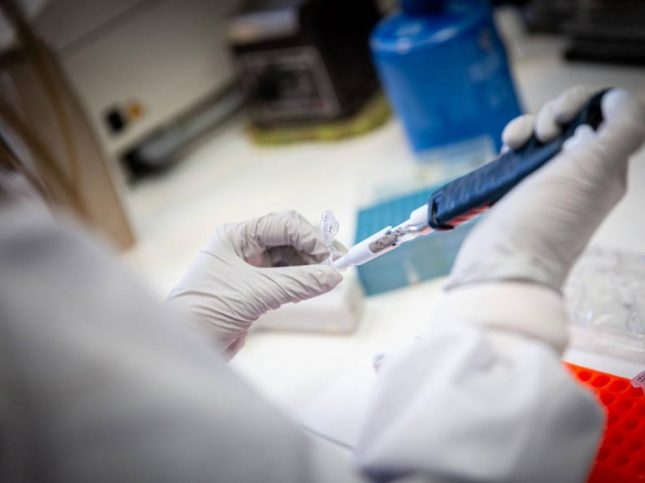
A Chinese vaccine candidate manages to protect a group of macaques from the coronavirus
24 April 2020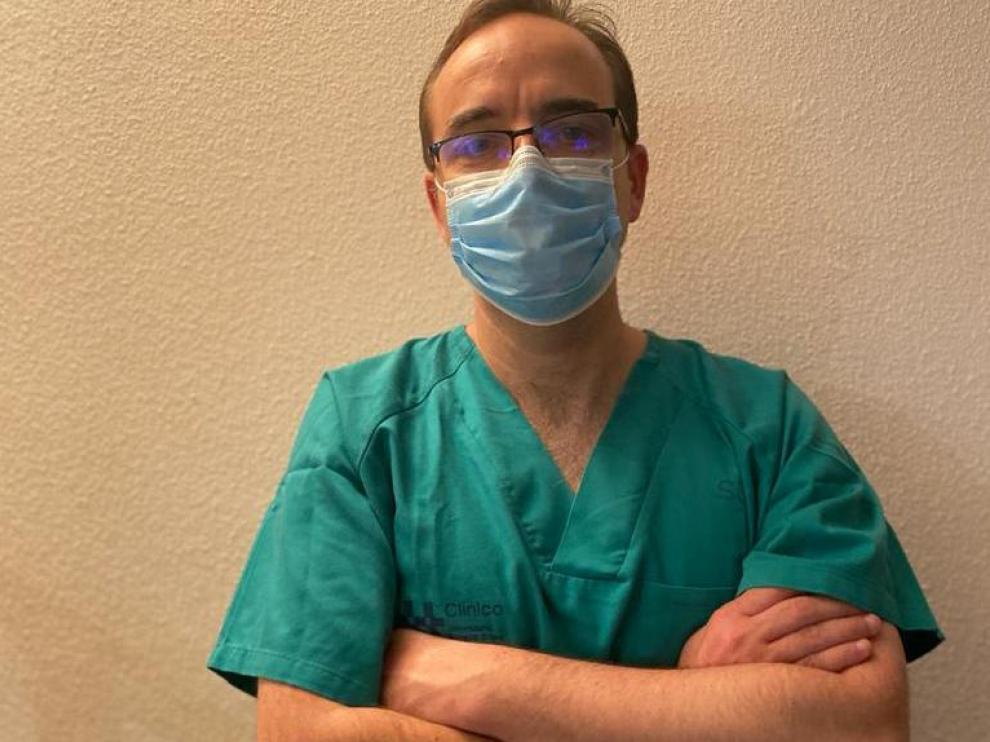
Hospitals must prepare for a second wave
24 April 2020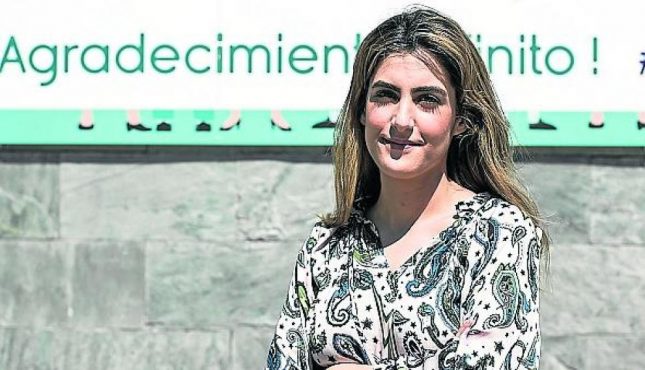
Three women calmly explain their constant efforts to appease death in this fight against the coronavirus.
The health sector works and fights tirelessly at the forefront of danger and demonstrates, daily, a professionalism, dedication and generosity that has made it more necessary than ever. It is the banner against the pandemic and the best balm for patients: pampering and hope. Every afternoon he receives general applause. Three women calmly explain their constant efforts to appease death
Cristina Villar Yus, emergency nurse in the ICU: "We are not heroes or heroines. We fulfill our obligation"
Cristina Villar Yus (Zaragoza, 1992) hesitated between being a journalist or a nurse, and in the end, perhaps because her father is a doctor, she chose the second profession. She is an enthusiastic, dedicated woman who transmits happiness, a sense of duty and responsibility. She knows the commotion of emergencies and the flashes of panic, but she does not lose her calm. "I am a nurse by vocation. I like my job, being close to people; I know that we are in a time of adversity, and I think we are not doing anything special. We are not heroes or heroines. We fulfill our obligation," she says.
Reflect on a curious detail. "In all the time I have been in this job, I have not been thanked as many times as now: it is as if the pandemic has revealed the importance and significance of healthcare. That also leads you to think about many things: the role of doctors, nursing, what the human condition is like, etc.," he says, and slips in another nuance: "Perhaps people feel more fragile than ever and are more grateful."
He says that his primary occupation consists of "being in contact with people, caring and providing relief with science, care and the word, and I like that. I always liked it and also now. We are protected, we have better equipment, we know better the praxis and we fulfill our duty".
Nobody escapes fear. "There are four of us at home, my parents, my grandfather and I," he says. "Now my mother has gone with my grandfather; my father, who is a doctor, and I are at home, to avoid risks to others. You empathize with the sick. We don't know what is going to happen. You try not to join the rumors or speculations: if it is an international conspiracy, if it is something invented or a dispute between China and the United States.
"Human beings are vulnerable by nature and the logical thing is to be well. When something like this happens, anyone collapses and it is the moment when professionals must maintain serenity."
Mireia Martínez Noguera, plant supervisor at Miguel Servet
"It seemed to me that this was happening in the Third World, not in the West"
"I really like my job. I am passionate about being with people, caring for them, being attentive. I was at the Miguel Servet. When the coronavirus started and there was talk of the field hospital that was going to be installed in the Auditorium, they assigned me there. Since it didn't open later, I spent a week in the Covid-19 ICU and then in the coronary ICU, what is called the 'clean zone'. Last Sunday we were left without work," I would have liked to continue. says Mireia Martínez Noguera (Zaragoza, 1978), who is a vocational caretaker and proud of her mission.
"What if sometimes there is classism at work and we are looked down on? Some colleagues have told me that they have perceived it at some point, but it hasn't happened to me. On the contrary. It depends on the people you deal with , but in all this time I have been happy. I have been very well treated by everyone: assistants, nurses, doctors, etc."
We want to know what that week was like in the Covid-19 ICU. "I am very brave. And this is my job. I know that some colleagues who were on the job board did not answer the phone when they were called. It is impressive. But you go with your PPE (your equipment), you are careful and prudent, and you do what What do you have to do... Because of the information on TV, alarm spread in your environment, concern increased, but here we never lacked anything, neither the equipment nor the masks nor the gloves," he declares.
What was happening in there? What impresses? "The relationship with the patients is special. They are intubated and it is not easy, until they return to the ward. It is a complex situation. It seemed to me that this only happened in the Third World, but not in the West. It is a nightmare" . At home she is also meticulous: "My husband works in a chemical company, but my daughter, 16, always tells me the same thing:" Mom, be careful. Mom, take good care of yourself." Rightly so.
Laura Montge, resident doctor of Intensive Medicine
"Families have a hard time. I think what I repeat most to them is 'cheer up'"
Laura Monge Sola (Zaragoza, 1990) is a resident doctor assigned to the Intensive Medicine Service. She has experienced the coronavirus since the first day, when the first Covid-19 patients began to enter the four Servet ICUs almost suddenly and a situation of chaos was recorded, which, little by little, ceases. "Then we had less information and poorer equipment, and there were quite a few infections in the healthcare system. That has subsided: we are more prepared, we are proceeding with due caution and the situation has normalized. The difficult thing will come later: returning to the natural order of things so that the treatments that have been paralyzed in surgery or oncological care, among others, can be done.
Laura says that she is calm, that she lives alone and that she handles better what happens to other colleagues: the fear of being a source of contagion for their partners or their children. One of the hardest moments, and "at the same time of intense humanity", is the relationship with Covid-19 patients. "The patient enters the ICU intubated, sedated and unconscious, and usually does not find out. When he is taken to the ward, which is the appropriate place for recovery, they do experience moments of confusion. The families have a hard time, they cannot touch or see the patients, and they feel helpless. This is the cruelty of the virus as well. Our relationship and that of nursing, which does constant work of care and calls, is very important. You get involved in a special way. to be able to see the face of the person you are talking to. I think what I repeat most to them is “good spirits.”
He says that now, although there is more income, there are fewer infections. Security is greater. Laura flees from mystifications and conspiracies: "It is a virus that spreads freely. I am worried about society, not only now, but what will come later. You live in uncertainty and restlessness, and you want autumn to arrive or winter and everything has passed.





